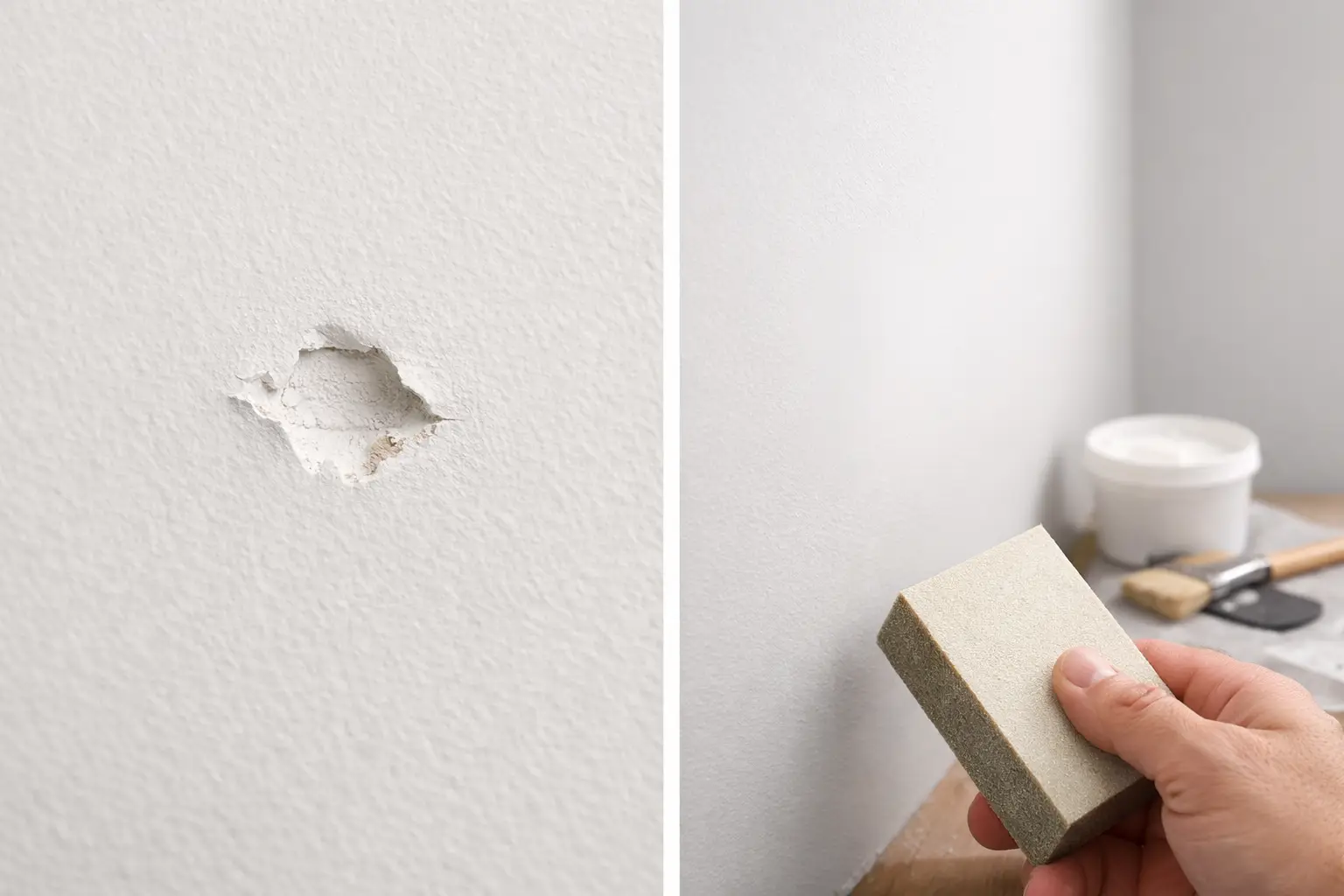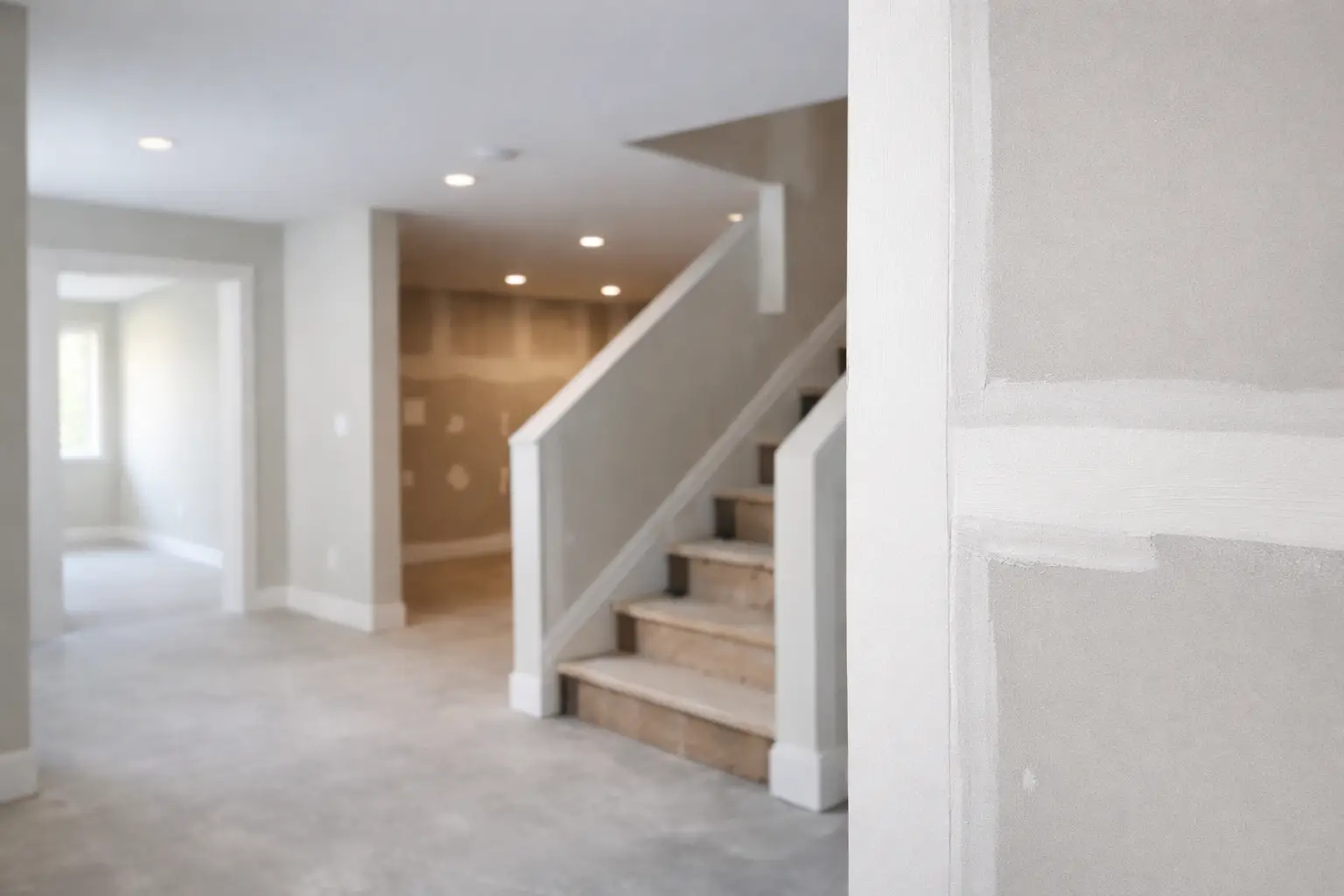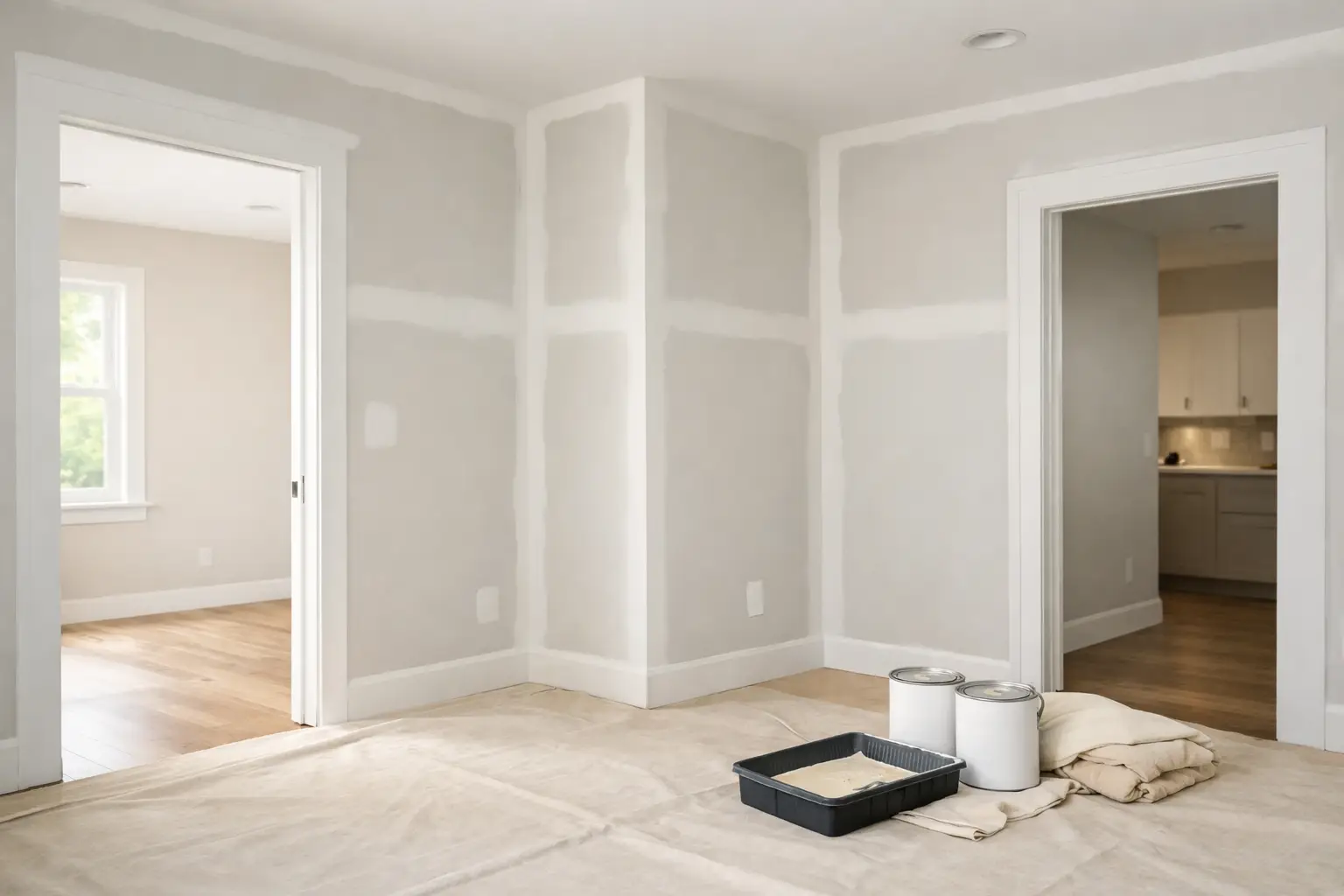
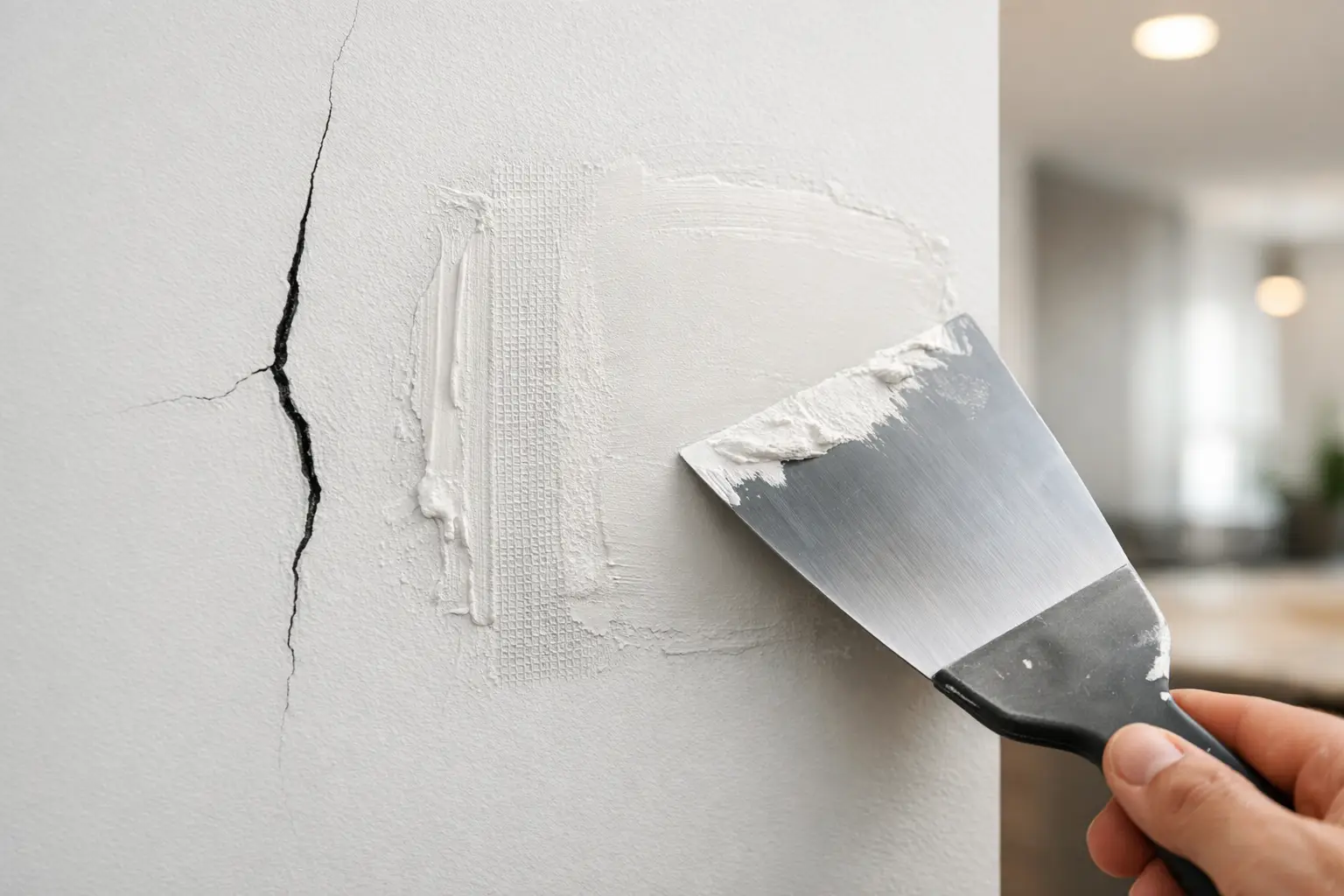
A crack over a doorway, a thin line across a ceiling joint, or a corner that keeps reopening after paint - those are the jobs that make people realize drywall crack repair is rarely just about filling a line and moving on. Some cracks are cosmetic. Some point to movement, poor joint finishing, or a repair that was never done properly in the first place.
For homeowners and property managers, the frustrating part is that a crack can look minor and still keep coming back. For builders and renovators, recurring cracks usually mean one thing: the finish system did not match the conditions. The repair has to deal with both the visible damage and the reason it showed up.
What causes drywall cracks?
Most drywall cracks fall into a few common categories. The first is normal movement. Houses shift with seasonal humidity, temperature changes, and regular settling. In Grey Bruce, that can show up more clearly through winter and spring when materials expand and contract.
The second is stress around openings. Doors, windows, and stair openings often see movement because those areas concentrate stress. It is common to see hairline cracks running from the corner of a door frame or along the top edge of a window.
The third is joint failure. That can happen when tape loses bond, the compound was applied poorly, or the seam was not finished well for the conditions. On ceilings, this is especially noticeable because light rakes across the surface and makes every line stand out.
There is also impact damage and older patchwork. A wall that has been repaired a few times may start showing a weak seam, ridging, or repeated cracking where the old repair meets the original finish.
Drywall crack repair is not always the same job
One of the biggest mistakes people make is treating every crack like a quick patch. A thin paint crack at a stable seam is one thing. A recurring ceiling crack with loose tape is another. A corner crack caused by framing movement needs a different approach again.
That is why drywall crack repair should start with a close look at the crack itself. Is it straight along a seam? Is the tape lifting? Is the surface bulging? Has it been patched before? Has the crack widened, or is it simply showing through fresh paint?
Those details matter because the finish has to bond well, stay flat, and hold up over time. If the original material underneath is loose, patching over top may look fine for a month and then fail again.
When a crack is probably cosmetic
Some cracks are limited to the finish coat or paint film. These are usually very thin, stable, and not accompanied by loose tape, soft spots, or visible movement. They often show up in predictable spots such as inside corners or along older seams.
A cosmetic crack can often be addressed with surface prep, proper filling, and refinishing. The goal is to restore a smooth, paint-ready finish without overbuilding the area. That last part matters. Heavy patching tends to leave a hump, which becomes obvious once the wall is painted and light hits it from the side.
When a crack needs more than filler
If tape is peeling, the seam is raised, or the crack keeps reopening after previous repairs, the damaged section usually needs to be opened up and rebuilt properly. That may mean removing loose compound, re-taping the joint, applying new coats, sanding, and blending the repair across a wider area.
Ceilings often need this kind of treatment because cracks there are more visible and more likely to be affected by movement. A ceiling seam repaired too narrowly may flash through paint even if the crack itself is closed. The finish has to disappear visually, not just technically.
Inside corners can also be tricky. If the crack is caused by repeated movement where two surfaces meet, the repair needs enough flexibility and proper prep to avoid the same failure pattern. Simply forcing more mud into the corner usually does not solve it.
How proper drywall crack repair is handled
A good repair usually starts with removing anything loose or failed. There is no point building over weak material. Once the area is sound, the joint or crack is reinforced as needed, then coated in stages so the finished surface stays flat and clean.
This is where trade experience shows. Good drywall finishing is not just about covering damage. It is about feathering the repair so it blends into the surrounding wall or ceiling. The wider and smoother that transition is, the less likely you are to notice the repair later.
Drying time matters too. Rushed coats tend to shrink, crack, or sand poorly. On some jobs, especially in cooler or more humid conditions, the timeline depends on the room environment as much as the size of the repair.
Why some repaired cracks come back
A recurring crack does not always mean the last person did poor work, but it often means the repair method did not match the problem. If the crack was caused by movement and only the surface was skimmed, there was nothing reinforcing the joint underneath. If loose tape was left in place, the new finish had no reliable base.
There is also the issue of paint and texture. Sometimes the crack itself is fixed, but the repair is still visible because the surface was not blended properly before priming and painting. People then assume the crack has returned when what they are really seeing is a rough patch line or flashing from different surface porosity.
That is especially common on ceilings and long wall runs with natural side light. A repair can be technically solid and still look poor if the finishing is not controlled.
Ceiling crack repair needs extra care
Ceiling work is less forgiving than wall work. Even a small defect can show once overhead lighting or daylight catches it. For that reason, drywall crack repair on ceilings usually involves more careful feathering and a wider blend area than people expect.
The other factor is access and dust control. Ceiling repairs create overhead sanding and require clean handling around finished spaces. In occupied homes, that practical side of the job matters just as much as the patch itself.
If the ceiling has been painted multiple times, matching the surrounding surface can also be a factor. Flat paint hides more than sheen paint, but any variation in texture or build can still show. A clean repair aims for a finish that disappears as much as possible once painted.
What to expect from a professional assessment
A proper site assessment should look at more than the line in the drywall. The location, direction, width, and condition of the surrounding finish all help determine the right repair. So does the room type. A hallway ceiling, stairwell, bathroom, and garage do not all behave the same way.
In older homes and renovation settings, previous layers of patching can complicate the work. A seam may have been repaired several times, leaving buildup that now needs to be corrected before a lasting finish is possible. In newer spaces, the issue may be isolated to one joint that simply needs to be rebuilt properly.
For local projects around Owen Sound and across Grey Bruce, seasonal movement is part of the reality. That does not mean every crack is serious, but it does mean repairs should be approached with realistic expectations and the right method for the area.
Is it worth repairing small drywall cracks right away?
Usually, yes. Small cracks are easier to deal with before they widen, collect dirt, or lead to repeated touch-ups that make the area harder to finish cleanly later. They also tend to stand out more after repainting if they are ignored.
That said, timing depends on your plans. If a room is about to be fully repainted, repaired first, or renovated more extensively, it makes sense to coordinate the work. If the crack is in a high-visibility area such as a main ceiling, entry, or stairwell, even a minor line can be worth fixing sooner simply because it draws the eye every time you walk by.
A clean finish matters as much as the repair itself
The best drywall crack repair does two jobs at once. It stabilizes the damaged area, and it leaves a surface that painters, homeowners, or builders can work with confidently. That means smooth joints, controlled sanding, and a repair that does not announce itself after primer goes on.
At Meg's Drywall, that practical side of the work matters. People are not just looking for a crack to be covered. They want the wall or ceiling to look right again and stay that way as well as the conditions allow.
If you have a crack that keeps coming back or a ceiling seam that is starting to show, it is usually worth dealing with before the next coat of paint goes on. The right repair is not always the fastest one, but it is the one that saves you from looking at the same line again a few months later.