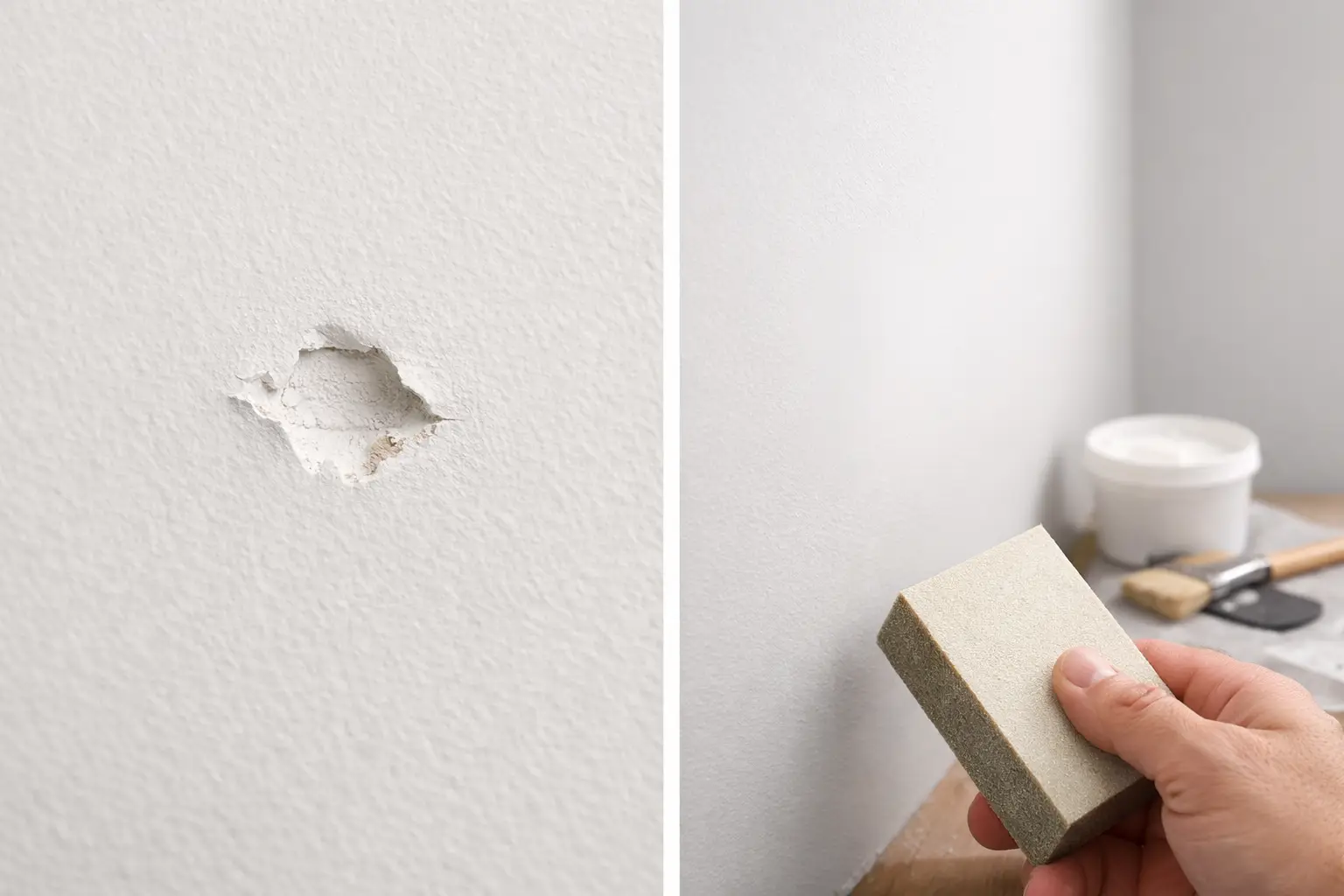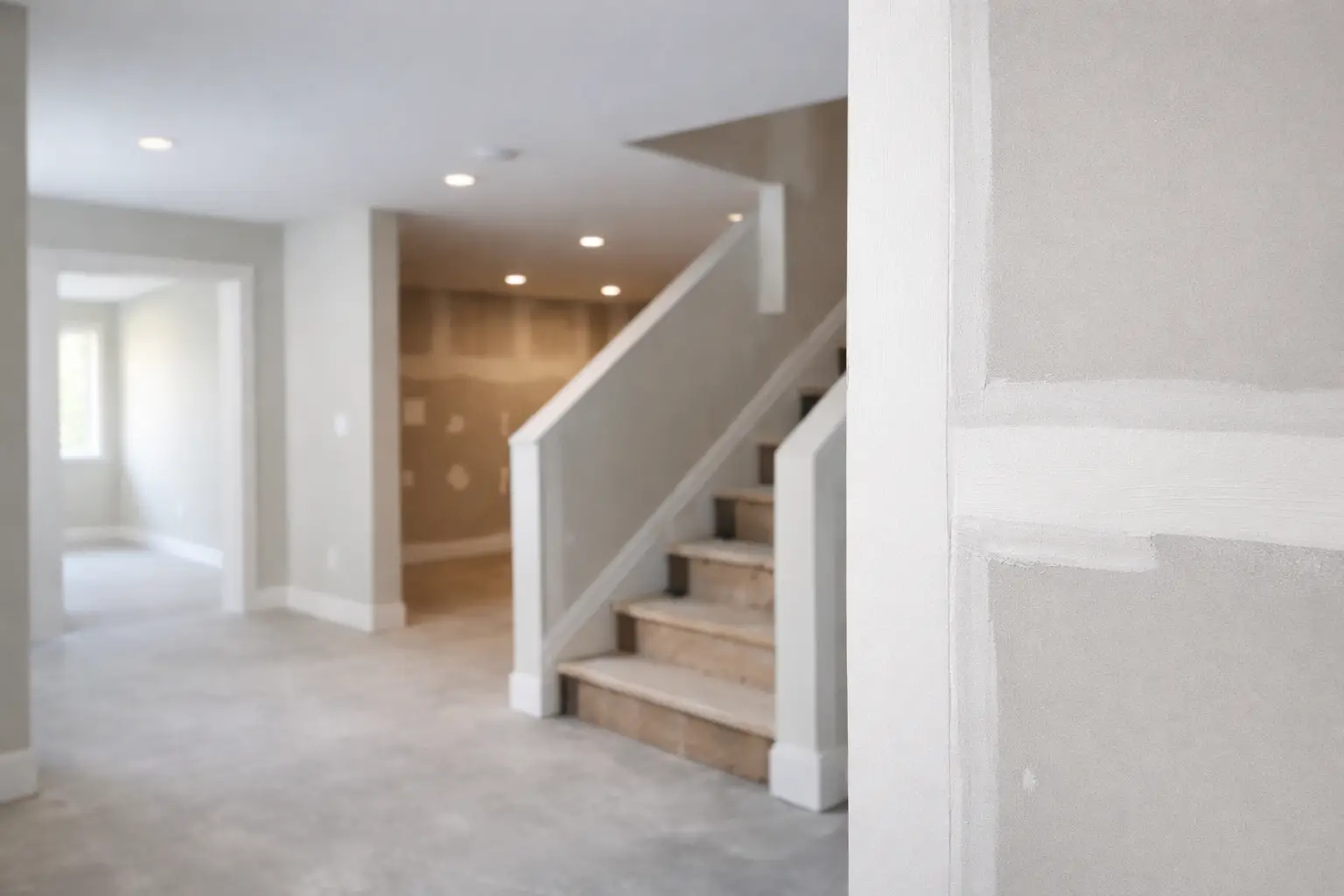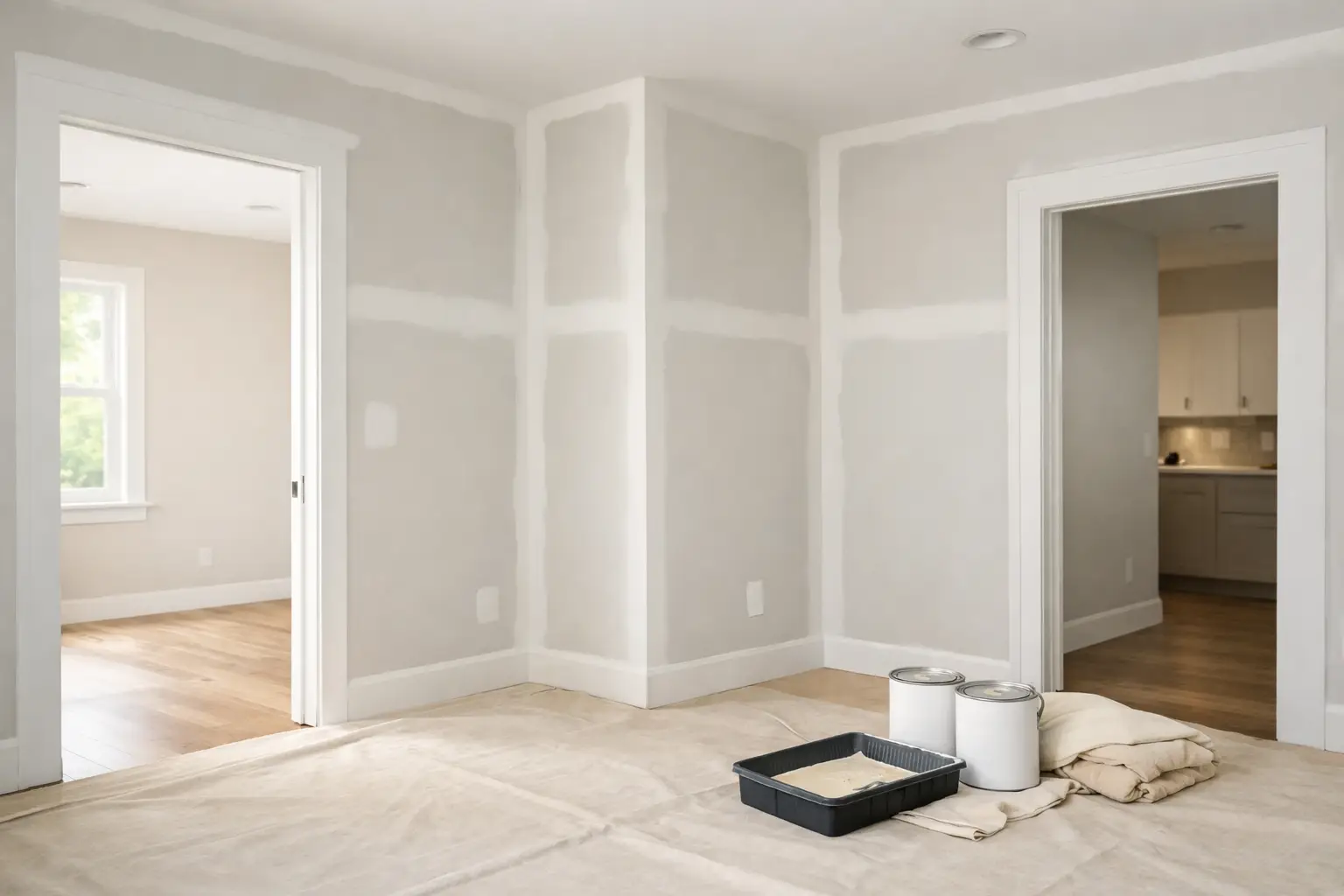
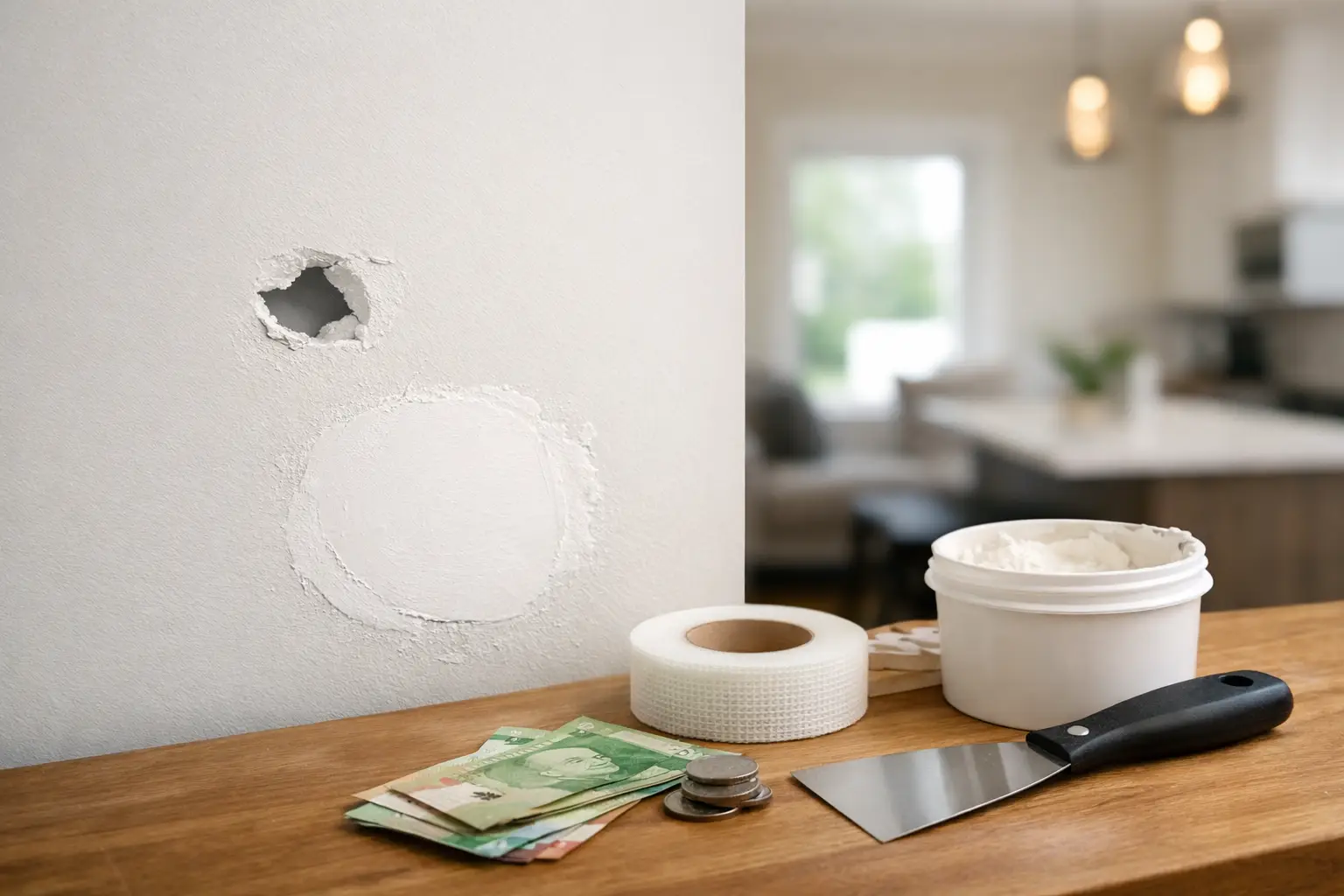
A doorknob through the wall, a rough patch after plumbing access, or a ceiling hole left behind by an old fixture all raise the same question fast - what is the drywall hole repair cost going to be?
The honest answer is that drywall repair pricing depends less on the word hole and more on what sits around it. A small dent in an easy-to-reach bedroom wall is one kind of job. A larger opening in a textured ceiling, or a repair that needs careful blending so it disappears under paint, is another. For homeowners, landlords, renovators, and builders, the best way to understand cost is to look at what actually drives the work.
What affects drywall hole repair cost
Size matters, but it is not the whole story. A very small hole from a misplaced fastener or wall anchor may only need filling, sanding, and touch-up preparation. Once the hole is large enough that the damaged section has to be cut out and patched with new drywall, the repair becomes more involved.
Location also changes the scope. A hole in a flat wall at chest height is usually more straightforward than one near a corner, beside trim, behind a toilet, over a stairwell, or in a ceiling. Ceilings often take more time because the work is overhead and the finish has to look even across a broad surface where light can expose every flaw.
The type of finish matters just as much. Some repairs are simply about making the wall solid again. Others need to be paint-ready and visually clean, especially in living rooms, hallways, entry areas, and newer renovations where patched spots stand out. If the surrounding drywall has a smooth finish, the patched area has to be feathered properly so it blends. If there is texture, the repair may take extra effort to match.
Then there is the condition of the area around the hole. Sometimes the visible damage is small, but the drywall paper is torn, the edges are weak, or previous patch attempts have left ridges and rough sanding marks. In that case, the repair may need to be opened up slightly to create a solid, neat patch instead of trying to build over a poor surface.
Small, medium, and large repairs are priced differently
When people search drywall hole repair cost, they are often hoping for one number. In practice, contractors usually look at repairs in ranges of complexity.
A small repair might be a minor hole, anchor damage, or a localized dented section. These jobs can still vary. If the patch is simple and easy to access, labour is limited. If it is a small repair in a visible area that needs careful finishing to disappear, the labour can be more detailed than expected.
A medium repair is often where pricing starts to shift more noticeably. This could mean a hand-sized or larger wall opening, a section cut for mechanical access, or damage where backing, patching, taping, mudding, sanding, and finishing all need to be done in sequence. Even if the material cost is modest, the time involved increases.
Large repairs usually stop being patch jobs in the casual sense and start looking more like partial drywall replacement. A contractor may need to remove a wider section to land on framing or to create straight, clean edges. That often produces a better result, but it adds labour and finishing time.
Why labour is usually the biggest part of the cost
Drywall repair is one of those jobs where the material itself is rarely the expensive part. A small piece of board, tape, compound, and sandpaper do not add up to much on their own. What people are paying for is the process and the finish.
A proper repair often means cutting back damaged drywall, securing the patch, taping joints, applying multiple coats of compound, sanding between stages, and checking the surface under light. If the goal is a clean, paint-ready finish, patience matters. Rushing tends to leave humps, flashing, or visible patch outlines once the wall is painted.
That is also why two holes of similar size may not cost the same. One can be patched quickly in an unfinished utility area. Another may be in a main-floor room with smooth walls and natural light hitting across the surface all afternoon. The second job often takes more care because the standard for appearance is higher.
Ceiling repairs often cost more than wall repairs
Ceilings deserve their own category because they are more demanding. Working overhead is slower, and compound behaves differently when gravity is fighting the installer. If the ceiling has texture, the challenge becomes matching what is already there so the repair does not show as a flat square or circle.
Ceiling holes can also require more setup. Protecting floors and furniture matters, and access can be an issue in stairwells, foyers, and rooms with high ceilings. Even a modest ceiling patch may involve more labour than a larger wall patch simply because of position and finish expectations.
For property managers and landlords, this is worth keeping in mind when comparing repairs across units. A wall impact near a doorway and a ceiling cut left after electrical work are not equal jobs, even if they appear similar in size on paper.
Paint and texture can change the final price
One of the biggest misunderstandings around drywall repair cost is where the drywall work ends and where decorating begins. Some repairs are quoted as patching and finishing the drywall to a paint-ready condition. Others may also include priming or coordinating the repaired area so it blends better with the existing surface.
If the wall has an older paint finish, colour variation can make even a very good patch stand out until the area is repainted more broadly. That does not always mean the drywall repair was poor. It often means the surface around it has aged, faded, or has a different sheen.
Texture introduces another layer. Matching spray texture or hand-applied patterns can take time, and perfect blending is not always realistic, especially in older homes where previous finishes vary from room to room. A good contractor will usually be clear about what can be matched closely and what may still remain slightly visible under certain light.
Access, travel, and job size all play a part
There is also a practical side to pricing that homeowners do not always see. A contractor has to account for site travel, setup, dust control, material handling, and return visits if the repair requires multiple coats and drying time. That is why very small jobs may still carry a minimum service cost.
Bundling work can change value. If there are several holes in one visit, or a repair is being done alongside a larger drywall project in a basement, garage, addition, or renovation, the overall pricing may make more sense than booking isolated single patches at different times.
In places like Owen Sound and across Grey Bruce, travel between communities can also affect scheduling and how efficiently small service calls are grouped. That does not mean rural work is unreasonable. It just means logistics are part of real project planning.
When a cheap patch becomes the expensive option
Many bad drywall repairs cost less at the start and more by the time they are fixed properly. Overfilled holes, loose mesh, poor sanding, and patches that are not flush with the existing wall tend to show up even more after primer and paint. Then the repair has to be cut back, reworked, and blended again.
This is common after rushed handyman fixes or quick DIY attempts in visible spaces. A patch can look acceptable while the compound is unpainted, then stand out sharply once light hits the finished wall. Paying for a proper repair once is often less frustrating than paying twice to correct one that was never really finished.
Getting a realistic idea of drywall hole repair cost
If you want a useful estimate, it helps to share more than just the rough size of the hole. Contractors usually need to know whether it is a wall or ceiling, if the area is smooth or textured, whether the edges are solid, if matching to a finished room matters, and whether there are multiple spots to repair.
Photos are often the fastest way to start the conversation, but they do not always tell the whole story. A close-up can hide scale, and surface damage can look minor until the loose material is opened up. That is normal in drywall work. A clear estimate comes from understanding not just the visible damage, but the steps needed to leave the surface ready for the next stage.
For homeowners and contractors alike, the best approach is to think in terms of finish quality, access, and total labour rather than hoping for a universal price per hole. Drywall is simple when it is done well, and that is exactly why poor repairs stand out.
If you are planning a repair, the most useful question is not just what does drywall hole repair cost, but what kind of finish do you want when the patch is done. That usually leads to the right scope, the right expectations, and a wall or ceiling that does not keep drawing your eye every time you walk past it.