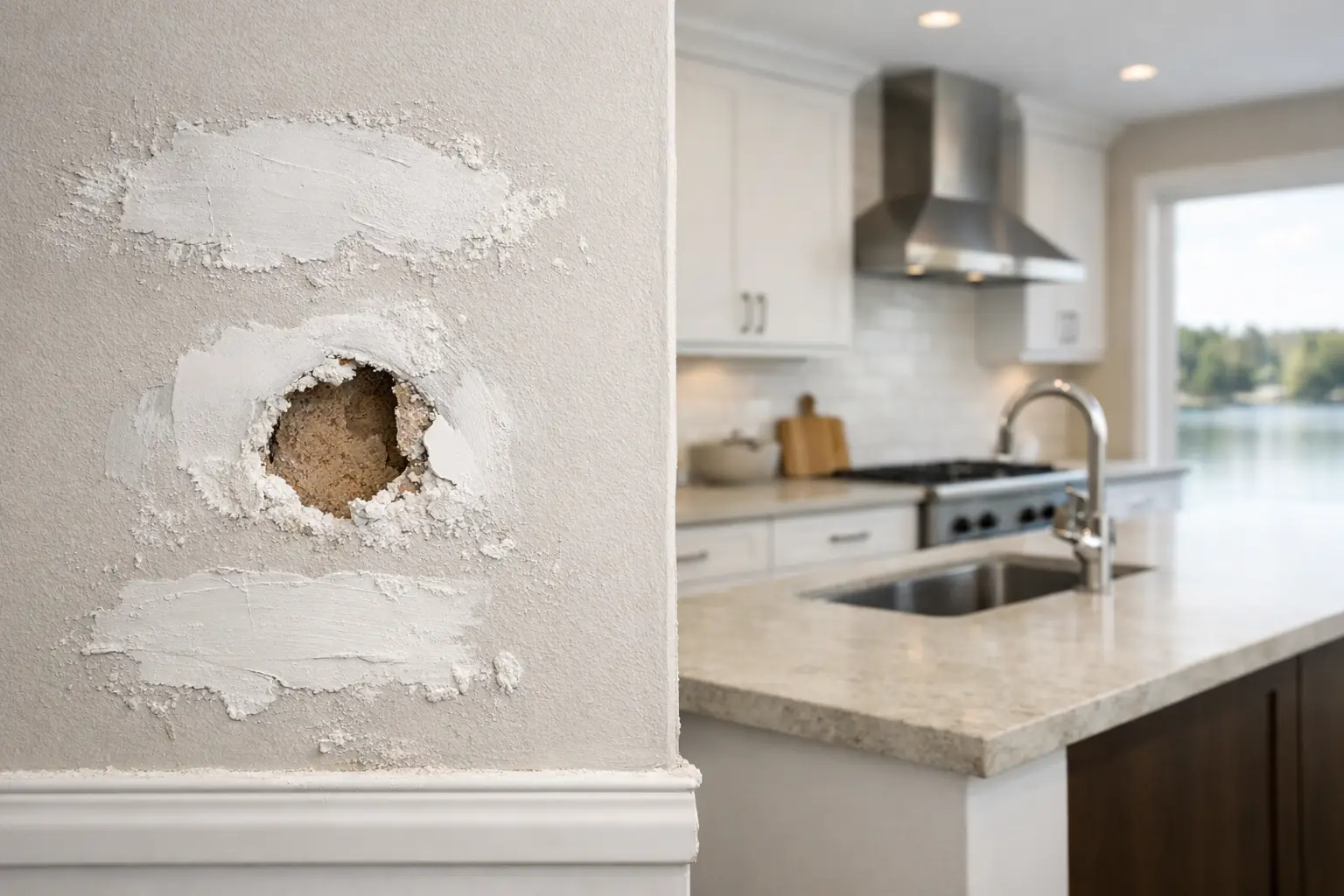
If you are searching for drywall repair near me, chances are the problem is already hard to ignore. Maybe a ceiling seam has started to show through paint, a doorknob punched a hole in the wall, or an old water stain keeps drawing your eye every time you walk into the room. In homes and small commercial spaces across Owen Sound and Grey Bruce, drywall damage usually starts small, then becomes the one thing everyone notices.
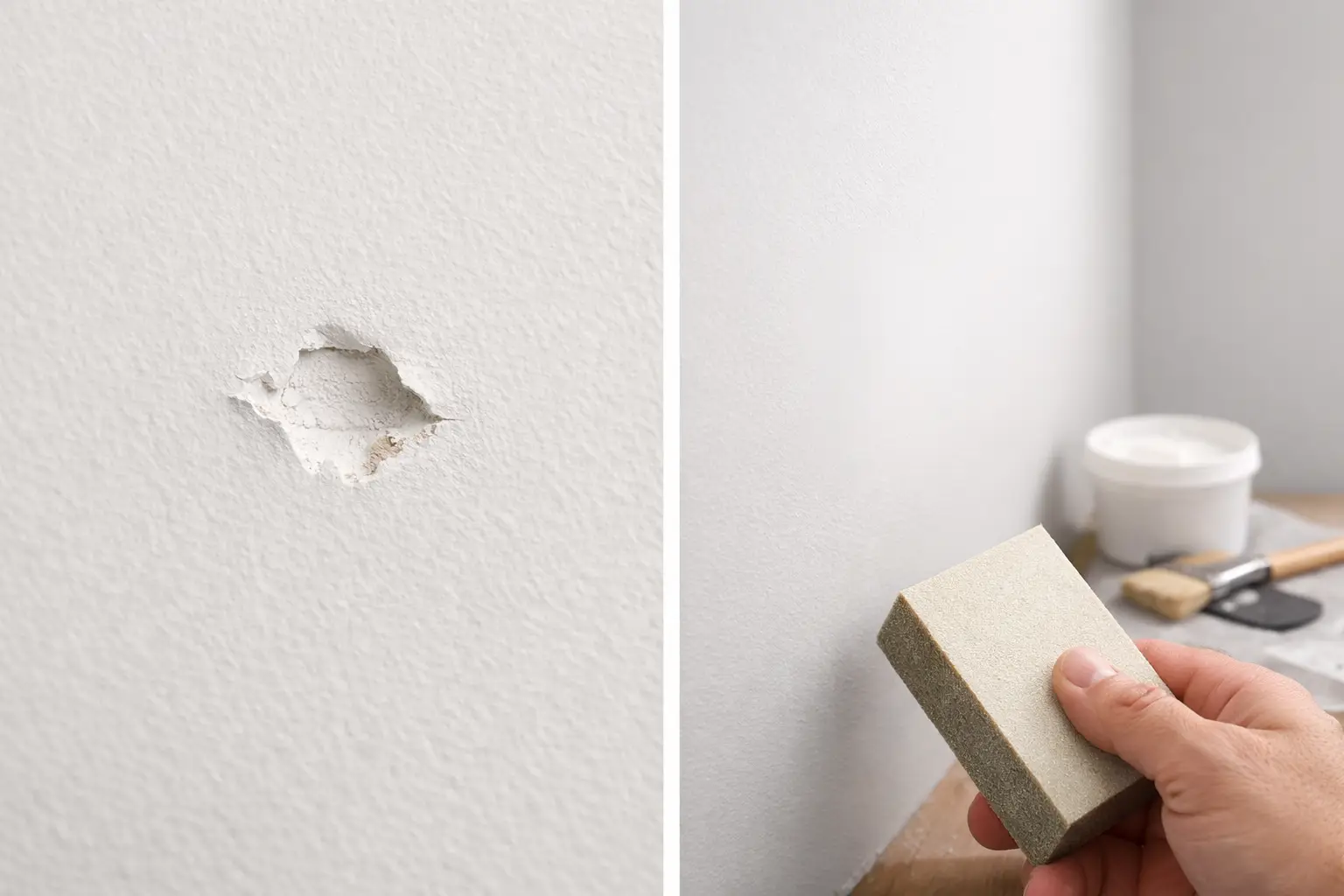
Drywall repair sounds simple until the patch dries, the light hits it from the side, and every ridge, dip, and joint line shows up. That is why local repair work is not just about filling a hole. It is about restoring the surface so it blends with the rest of the wall or ceiling and holds up over time.
What drywall repair actually includes
Not all drywall damage is the same, and the right repair depends on what caused it. A minor dent from moving furniture is different from a cracked ceiling joint or moisture-damaged board around a bathroom fan. Good repair work starts with identifying whether the issue is cosmetic, structural, or related to another problem in the home.
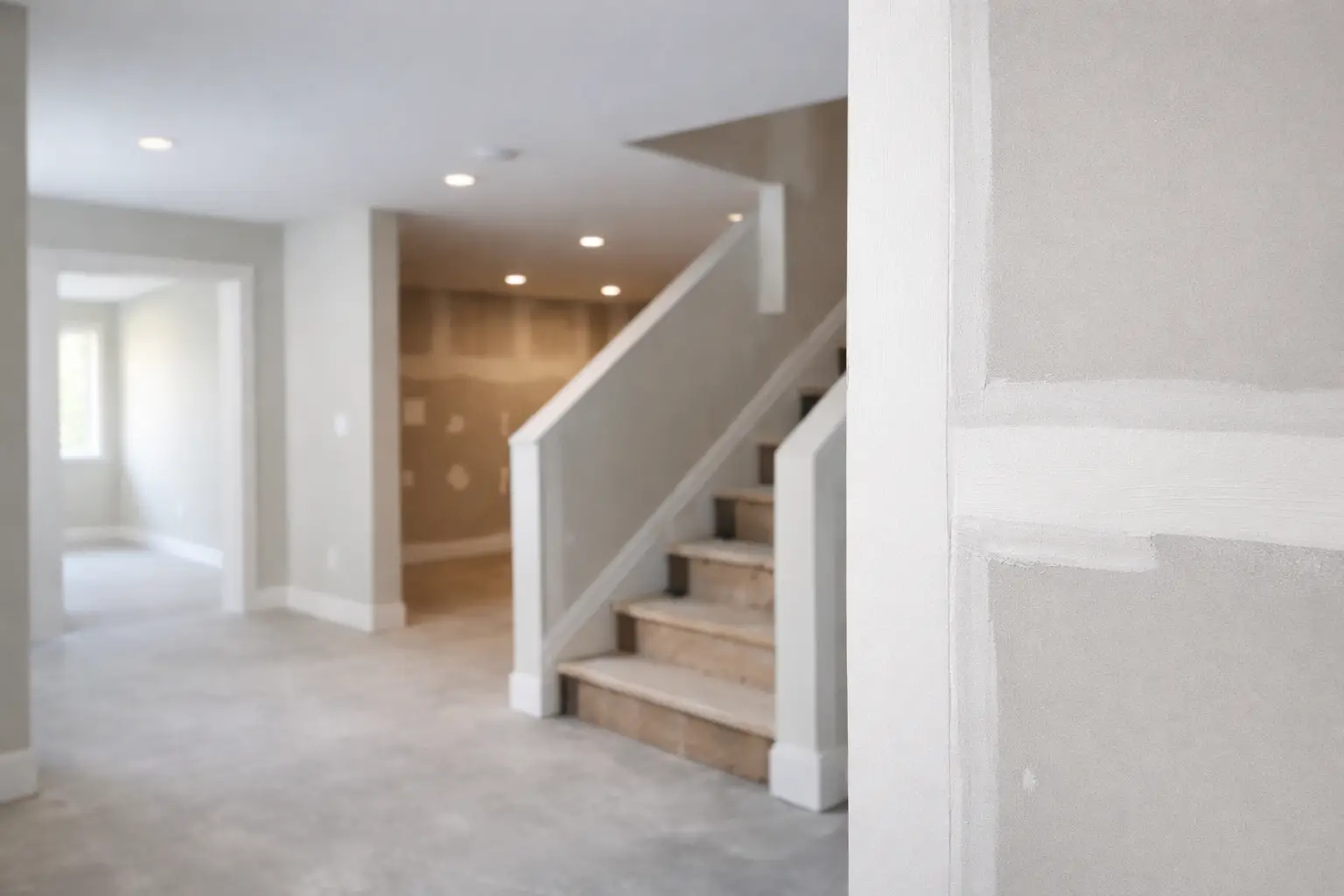
In practical terms, drywall repair can include patching holes, replacing damaged sections, re-taping joints, correcting popped screws, repairing corner bead, skimming uneven surfaces, and refinishing textured or smooth walls. Ceilings often need extra care because defects are more visible overhead, especially in natural light.
The difference between a quick patch and a proper repair is usually in the prep and finishing. Cutting back loose material, securing the surrounding board, applying tape where needed, and building compound in thin stages all matter. Sanding matters too, but over-sanding can damage the paper face or leave the area too shallow. This is the kind of work that looks easy until you need the repair to disappear.
Why people search for drywall repair near me
Most people are not just looking for any contractor. They are looking for someone nearby who can assess the damage, show up reliably, and do the repair properly without turning a small issue into a drawn-out project.
That local part matters. In Owen Sound and the Grey Bruce region, homes vary a lot. Some have older plaster transitions, some have settled enough to show recurring hairline cracks, and some have renovation patches where new work meets older framing. A drywall specialist working in the area regularly is more likely to recognize these conditions and recommend a repair that makes sense for the space.
There is also a practical reason to hire locally. Small and mid-sized drywall repairs often need good scheduling, clear communication, and the ability to return if a staged finish is required. That is easier when you are working with a contractor who serves the region directly rather than someone trying to fit a local job into a wider service area.
Common drywall problems in Grey Bruce homes
A lot of wall and ceiling damage comes from ordinary use. Holes from handles, anchors, or accidental impact are common in hallways, bedrooms, and stairwells. In rental and multi-use spaces, wear tends to build up around corners, entrances, and utility areas.
Cracks are another frequent concern, but they are not all equal. A thin crack at a joint may come from seasonal movement or a weak tape bond. A recurring crack that keeps returning after paint-up work may point to movement in the framing, truss uplift, or a previous repair that was never finished correctly. Cosmetic fixes can hide that for a while, but not for long.
Water damage is where repair decisions become more serious. A stain does not always mean the drywall has failed, but soft spots, sagging, mould growth, or crumbling edges usually mean the affected section should be removed and replaced. Before any drywall work starts, the moisture source needs to be addressed. There is no value in patching over an active leak.
Nail pops and screw pops are also common, especially in homes where settling or humidity changes have shifted materials slightly. They may seem minor, but if they are not fastened and refinished properly, they often reappear through paint.
When a patch job is enough and when it is not
Some repairs are straightforward. A small hole in otherwise sound drywall can often be patched, finished, sanded, and made ready for primer and paint. If the surrounding board is solid and there is no ongoing movement or moisture, a localized repair is usually the sensible option.
Other situations call for replacement rather than patching. If the gypsum core is weakened, the paper face is torn across a wide area, or the damaged section extends along a seam or corner, cutting out and replacing part of the board may produce a cleaner and longer-lasting result. The same applies when there are multiple failed repairs layered on top of each other.
This is where experience matters. The cheapest approach on day one is not always the most economical over the life of the repair. A proper cut-out and refinish may cost more than surface filler, but it often avoids repeat work and gives a better final finish.
What to expect from a professional drywall repair visit
A good drywall repair process starts with looking at access, damage type, wall condition, and finish level. The contractor should be able to explain whether the repair needs patching, board replacement, tape work, skim coating, or a combination of those steps.
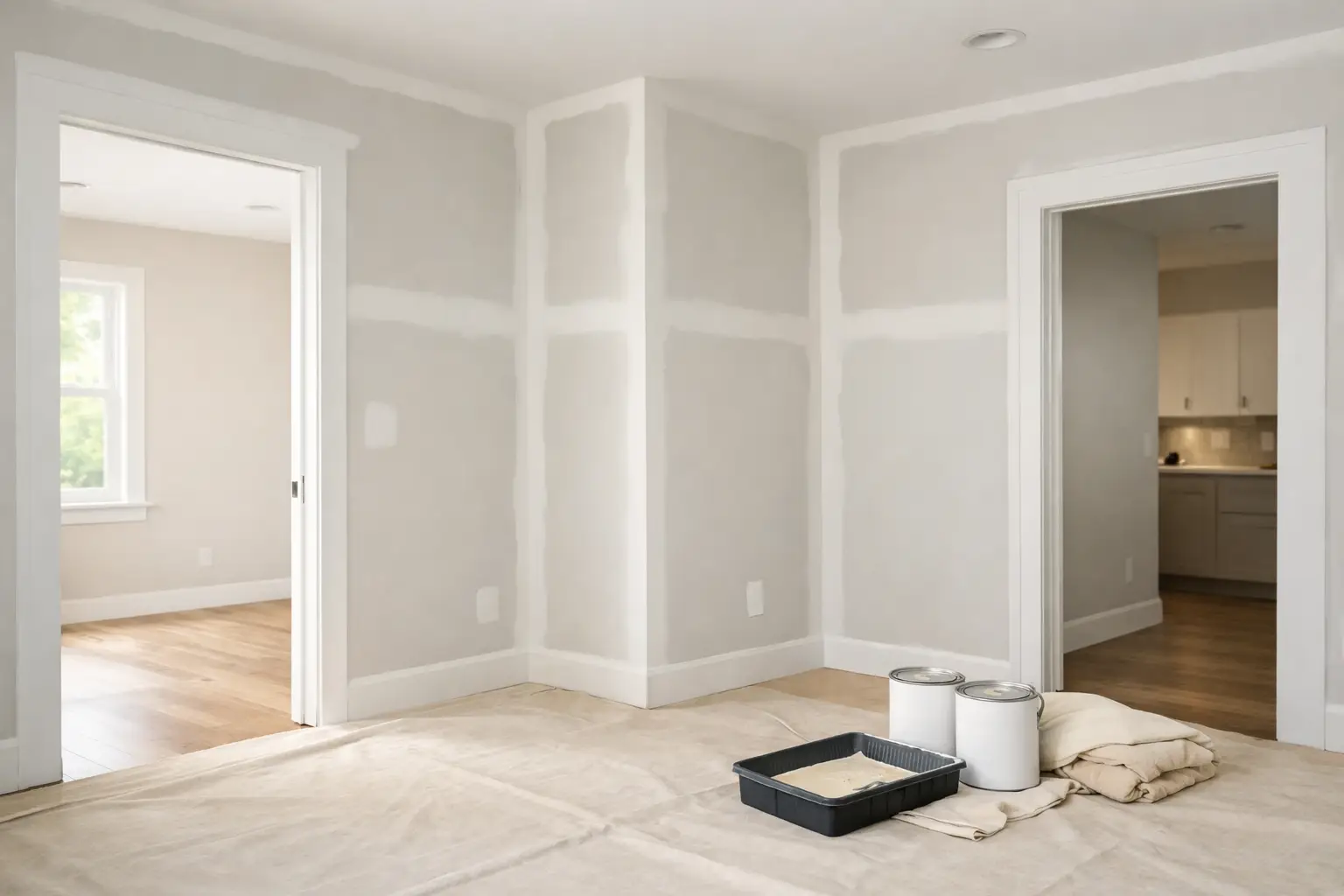
The next part is setting realistic expectations. Some repairs can be completed in one visit, but many need drying time between coats. That is normal. Trying to force the timeline can lead to shrinkage, flashing under paint, or visible patch edges later.
Dust control and site cleanliness also matter, especially in occupied homes. Even a small repair can create fine dust if sanding is involved. Clear prep, controlled work areas, and a tidy finish are part of professional service, not extras.
For clients in Owen Sound and surrounding communities, it is also worth asking whether the contractor handles both walls and ceilings, smooth finishes and patched transitions, and whether the repair can be blended into adjacent surfaces if required. Not every drywall issue is just a hole in a flat wall.
How to choose the right local contractor
When comparing drywall repair near me results, the right choice is usually the contractor who is specific, not vague. You want someone who works in drywall regularly, understands finishing standards, and can explain the repair in plain terms.
It helps to look for a business focused on drywall rather than a general handyperson doing occasional patch work. Drywall finishing is a trade in itself. Getting a repair flat, clean, and ready for paint takes more than just applying compound.
You should also pay attention to how the contractor talks about the job. If every issue is described as a simple patch without discussing cause, material condition, or finish matching, that can be a sign the repair is being oversimplified. On the other hand, not every crack needs a major rebuild. Good advice is usually measured and practical.
For local homeowners, property managers, renovators, and builders, working with a regional specialist like Meg's Drywall can make the process more straightforward. The benefit is not only proximity. It is the trade focus, familiarity with local project conditions, and the ability to provide drywall-specific repair work without guesswork.
A note on paint matching and final appearance
One point that often gets missed in drywall repair is that a perfect wall repair does not always mean invisible paint. Fresh primer and paint can flash against older surrounding surfaces, even when the patch itself is flat and properly finished.
That does not mean the drywall work failed. It means drywall repair and paint blending are related, but not identical. In some cases, touching up is enough. In others, repainting the full wall or ceiling section gives the best final result. A reliable contractor should be clear about that upfront so there are no surprises at the end.
Drywall repair near me should mean more than close by
The best result comes from hiring someone who is both local and skilled in the trade. Close by matters for service and scheduling, but the finish still has to be right. A repair that looks acceptable from across the room but shows every joint and patch mark in daylight is not much of a repair.
If your walls or ceilings have damage that keeps drawing your attention, it is worth getting it assessed properly. Small issues can often be handled cleanly before they become larger ones, and a solid repair usually pays off every time the room is painted, rented, shown, or simply lived in. When you search for drywall repair near me in Owen Sound or anywhere in Grey Bruce, look for a contractor who treats the finish as seriously as the fix.