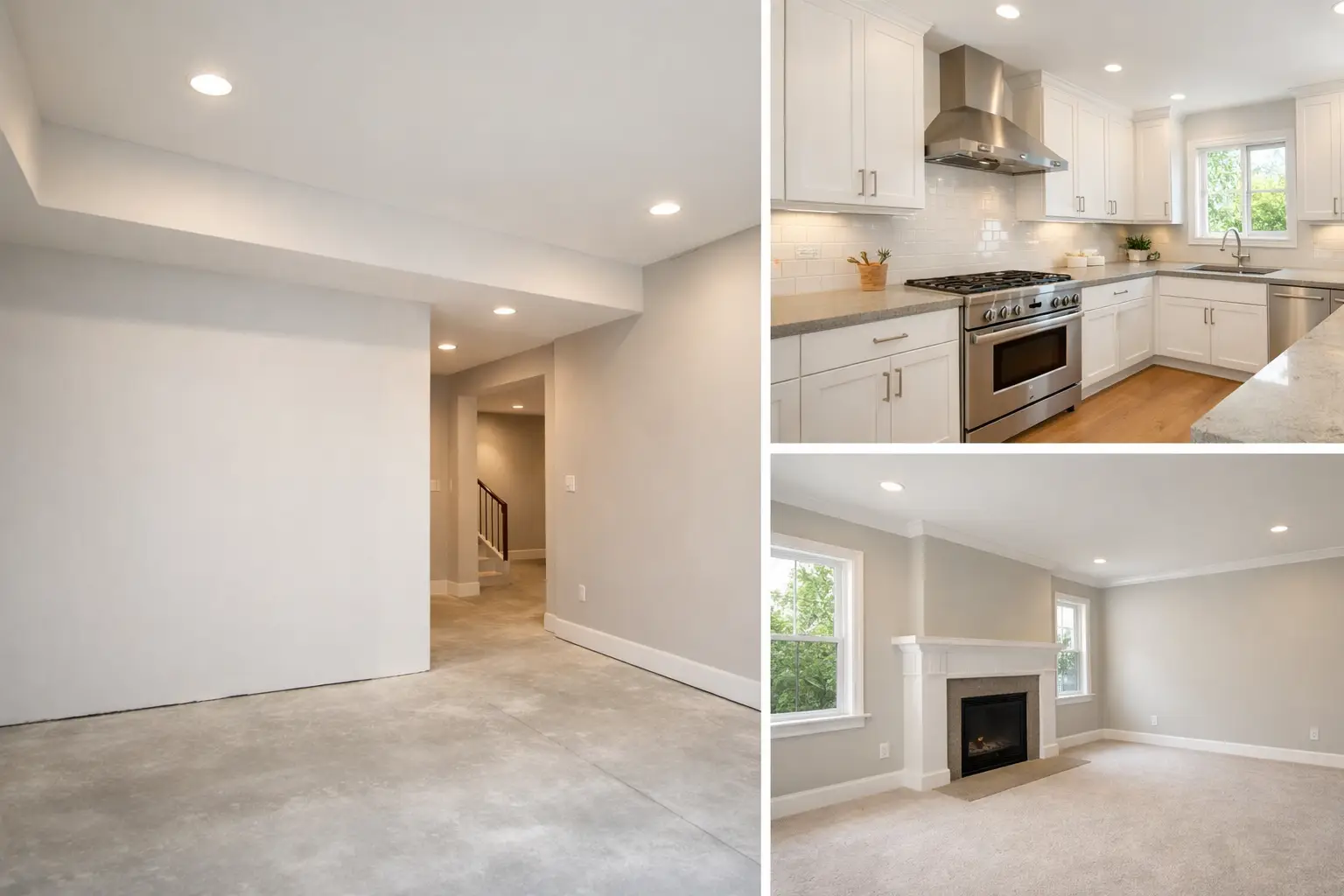
A drywall job can look simple until paint goes on. Uneven joints, visible screw heads, cracking corners, and poor sanding are often much easier to see once the room is finished. Knowing how to choose a drywall contractor helps you avoid those problems before work begins, whether you are patching a wall, finishing a basement, renovating a kitchen, or building an addition.
The right contractor is not necessarily the first person who can start or the lowest number on a quote. Look for someone whose work, process, and communication suit the actual scope of your project. Drywall installation and finishing are detail-driven trades, and the best choice usually becomes clearer when you ask practical questions early.
Start With the Scope of Your Drywall Project
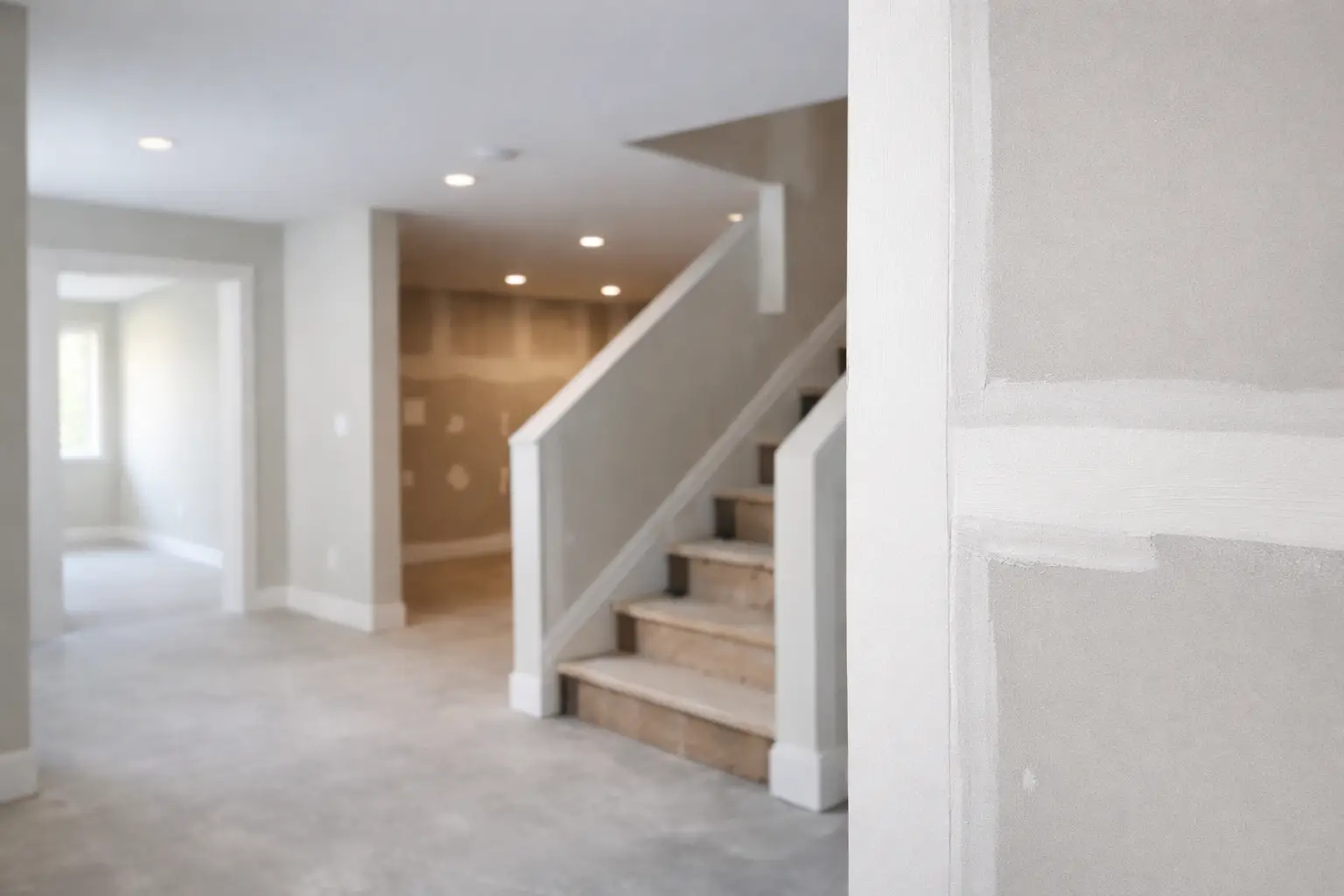
Before contacting contractors, be clear about what needs to be done. A small repair after plumbing access is different from boarding and finishing an entire basement. A garage may need drywall installed but not the same finish level as a living room. A new build may involve coordinating with a builder's schedule, while a renovation may require working around existing trim, flooring, cabinets, or occupied rooms.
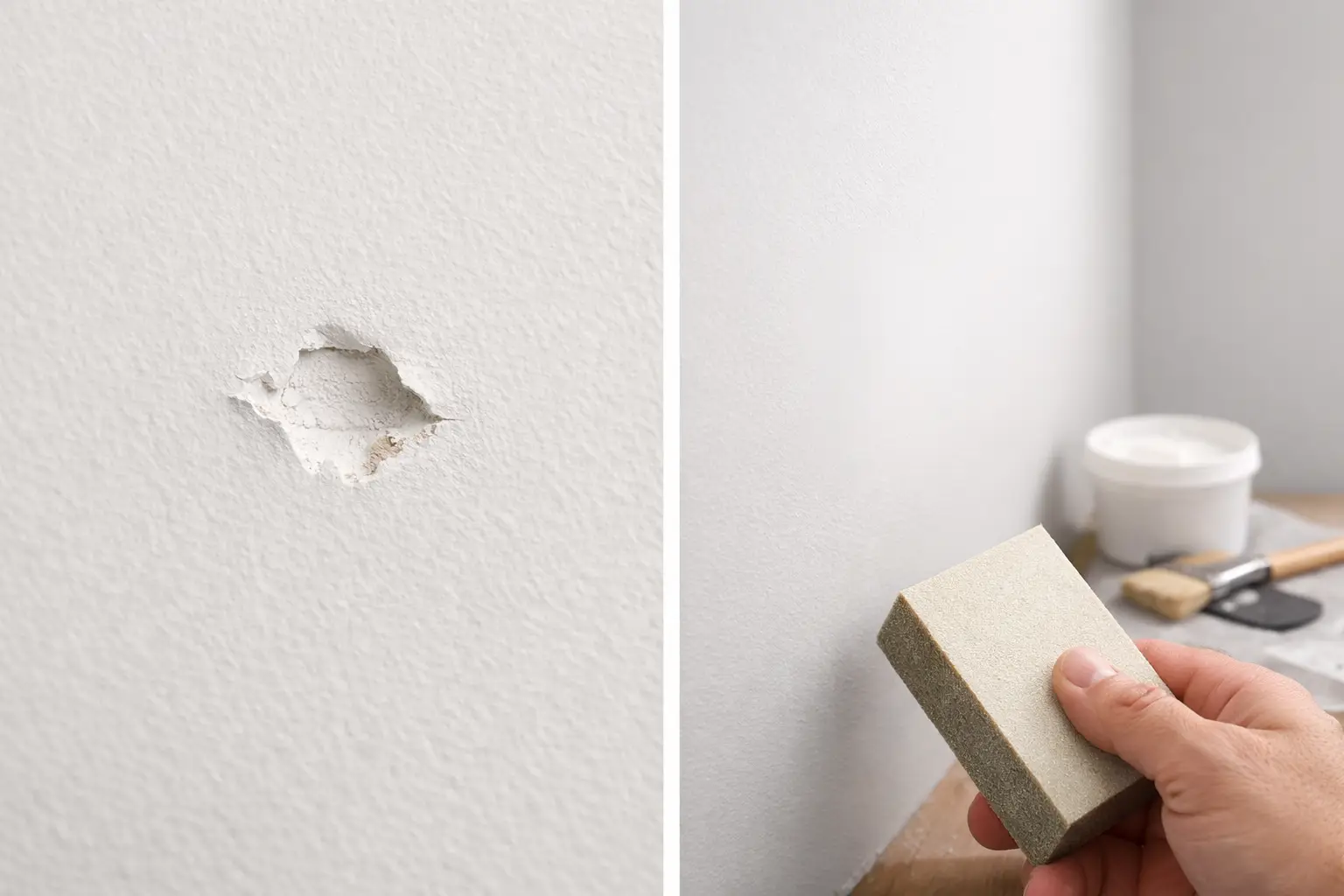
Write down which rooms are involved, whether the work includes installation, taping, mudding, sanding, repairs, or all of the above, and whether ceilings are part of the job. Photos can help explain cracks, holes, water-stained areas that have already been addressed, or awkward patches. The clearer the project description, the easier it is for a drywall contractor to provide a useful assessment and scope of work.
It also helps to think about the final use of the space. A paint-ready finish for a bright living room with large windows requires more attention than a utility room. Lighting can reveal every ridge and joint, especially with pot lights, wall sconces, or strong daylight across a ceiling.
How to Choose a Drywall Contractor by Experience
Ask whether the contractor regularly handles work like yours. Drywall is a specialized trade, but there is still a meaningful difference between someone experienced with small patches and someone who routinely completes basement drywall, renovation work, new construction, or larger ceiling repairs.
A contractor should be able to explain their approach in plain language. For a repair, that may include removing loose material, securing the area, patching, taping, applying compound in coats, sanding, and blending the finish with the surrounding wall. For a larger installation, it may involve planning board layout, fastening drywall properly, treating joints and corners, and allowing enough drying time between finishing coats.
Ask to See Relevant Finished Work
Photos of completed work can be useful, particularly when they show smooth walls, clean inside and outside corners, ceiling joints, bulkheads, and repaired sections after painting. Ask for examples that resemble your project rather than relying only on a general collection of images.
When reviewing photos, focus on finish quality instead of looking for dramatic before-and-after shots. Are the surfaces flat? Do corners appear straight? Does the repair disappear into the wall? Keep in mind that a photo cannot show everything, so it should support a conversation about the contractor's process, not replace one.
Look for Trade-Specific Answers
A dedicated drywall contractor should be comfortable discussing common finishing issues, including joint visibility, corner bead, ceiling seams, texture matching, sanding dust, and the difference between a basic finished surface and a high-quality paint-ready result. They do not need to overwhelm you with trade terms. They should, however, understand where problems tend to occur and how they plan to avoid them.
For homeowners in Owen Sound and across Grey Bruce, local experience can also be helpful when a project involves older homes, seasonal cottages, additions, or basements with a mix of new and existing surfaces. Every property is different, but a contractor who sees these project types regularly can identify practical considerations before work starts.
Compare the Scope, Not Just the Bottom Line
When you receive more than one quote, make sure you are comparing similar work. One contractor may include drywall supply, installation, taping, multiple coats of compound, sanding, and cleanup. Another may price only a portion of that work. A lower number is not a useful comparison if key steps have been left out or described vaguely.
Ask what is included in the quoted scope, what preparation is expected before the crew arrives, and what condition the area will be left in when the drywall work is complete. For example, does the work include only boarding, or also finishing? Are repairs intended to be ready for primer and paint? Will the contractor protect nearby surfaces from sanding dust where practical?
There are reasonable trade-offs. If you are preparing a storage room or a rental utility space, you may not need the same level of finish as a main-floor renovation. On the other hand, reducing finishing time in a highly visible room often leads to disappointing results later. A clear scope lets you choose the right level of work for the room rather than paying for work you do not need or assuming a finish is included when it is not.
Pay Attention to the Finish Plan
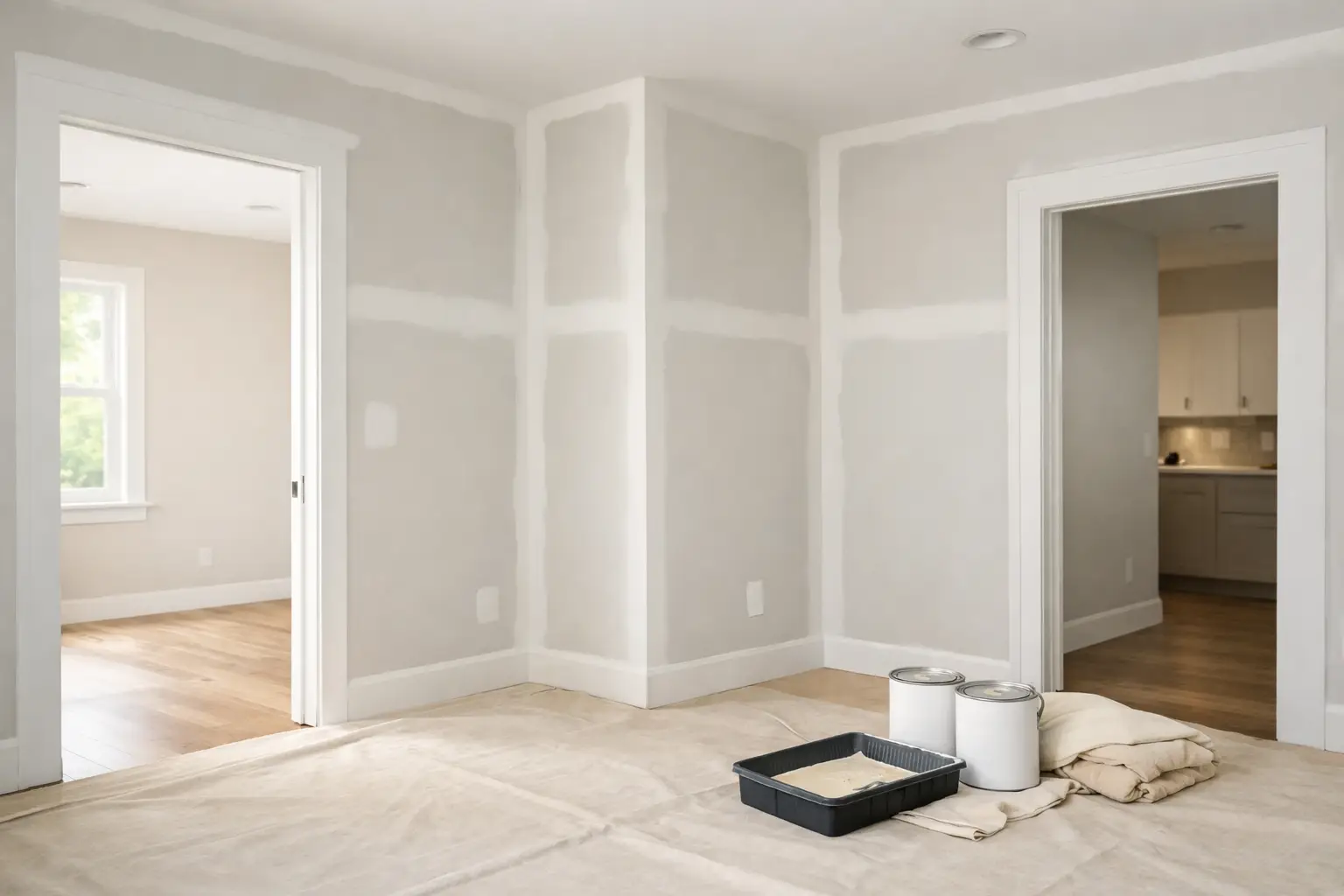
Drywall finishing is where much of the visible quality is created. Installation matters, but the taping, mudding, sanding, and final inspection determine how the wall or ceiling looks under paint. Ask how many coats are expected, how drying time will be handled, and whether the contractor plans to check the surface under good lighting before calling the job complete.
Do not assume that every wall needs the same finish. A textured ceiling repair may require a different approach from a smooth ceiling. A patch beside a doorway may need extra feathering to blend into an existing wall. New drywall beside old plaster or previously painted surfaces can also require careful preparation to make the transition less noticeable.
If painters are scheduled after the drywall work, make sure the expectations are clear. A drywall contractor typically prepares the surface for paint, while the painter applies the primer and finish coats. Good coordination prevents confusion about who is responsible for small touch-ups, surface preparation, or final appearance after paint is applied.
Choose Clear Communication and a Realistic Schedule
A dependable contractor should return calls or messages within a reasonable time, ask sensible questions about the work, and explain the next steps. You do not need a lengthy sales presentation. You do need enough communication to understand what will happen, when it is likely to happen, and what may affect the timeline.
Drywall finishing cannot always be rushed. Joint compound needs time to dry, and drying conditions can vary depending on the space, ventilation, humidity, and the amount of work involved. A contractor who explains this upfront is setting realistic expectations, not making excuses.
Ask about access to the property, where materials can be staged, whether rooms need to be emptied, and how the work area will be managed. These details matter in occupied homes, small commercial spaces, rental properties, and renovations where other trades are working nearby.
Watch for Warning Signs Before You Hire
Be cautious if a contractor gives a firm price without asking enough questions or seeing the work when an in-person visit is clearly needed. Small repairs can sometimes be assessed from photos, but large or complex jobs usually need a closer look to identify access issues, damaged framing, unusual ceilings, existing finishes, or the extent of patching.
Vague descriptions are another concern. If you cannot tell whether installation, finishing, sanding, materials, or cleanup are included, ask for clarification before agreeing to proceed. The same applies to schedules that sound unrealistically fast for the amount of drying and finishing required.
A professional approach does not mean every project will be perfect or free of unexpected issues. It means concerns are discussed early, the scope is understood, and the contractor is straightforward about what the work involves.
A Local Contractor Should Understand the Job, Not Just the Address
Choosing a local drywall contractor can make communication and site visits easier, especially for projects in Owen Sound, Georgian Bluffs, Meaford, Wiarton, Port Elgin, or surrounding Grey Bruce communities. Still, proximity alone is not enough. The contractor should be a good fit for your project size, finish expectations, and schedule.
Meg's Drywall focuses on drywall installation, repairs, taping, mudding, sanding, and finishing for residential and small commercial projects. For any contractor you consider, the key is to ask direct questions, compare complete scopes, and choose the person who gives you confidence in the work behind the finished paint.
A good drywall decision is usually made before the first sheet is hung. Take the time to describe the project clearly, ask how the finish will be handled, and choose a contractor who treats the details as part of the job rather than an afterthought.