A wall can look fine from across the room and still have a seam beginning to show through. Knowing how to spot drywall seam issues early can help you deal with a small finishing repair before it becomes a larger, more noticeable problem after painting. The key is to look at the wall in the right light, understand what a normal hairline mark looks like, and pay attention to whether the area is changing over time.
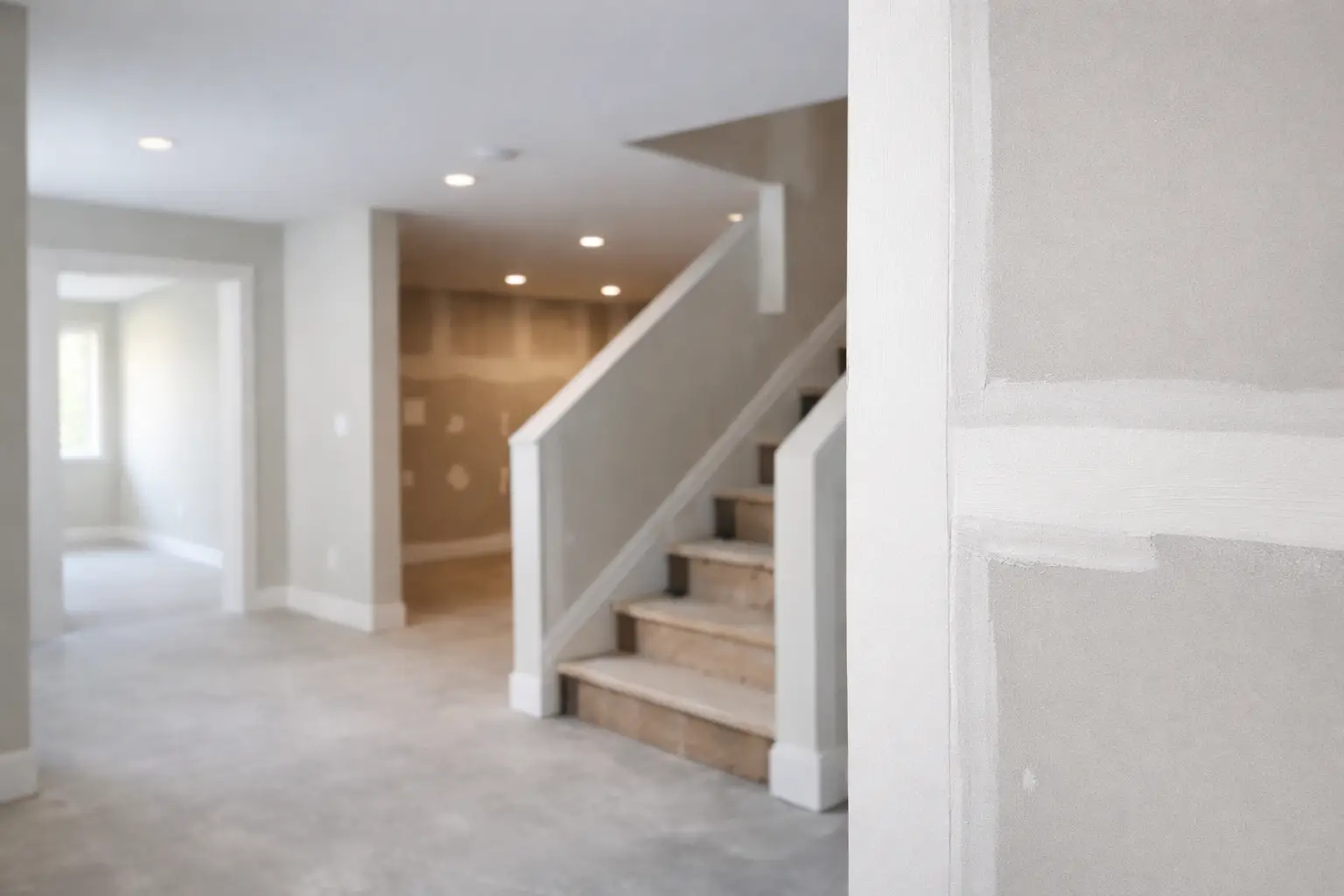
Drywall seams are the joints where two sheets of drywall meet. They are covered with tape and drywall compound, then sanded to create one continuous surface. When that finish loses its bond, moves, or was not built up evenly in the first place, the seam can become visible.
How to spot drywall seam issues in ordinary light
The most common sign is a straight line that follows the joint between drywall sheets. On a wall, this is often a vertical line running from floor to ceiling. On a ceiling, it may run across the room or appear in a regular grid pattern. It can look like a faint ridge, a shallow groove, a crack, or a strip of tape that is slightly raised from the surface.
Do not rely only on the room's main overhead light. Stand close to the wall and look along it from an angle. Natural daylight from a window or a lamp placed to one side can reveal changes in the surface that are hard to see head-on. This angled light is especially useful on ceilings, long hallway walls, and broad painted surfaces with a low sheen.
A visible seam does not always mean the tape has failed. Sometimes the joint is sound, but the finishing compound was applied too narrowly or not feathered far enough across the wall. The result is a raised band that becomes obvious when light hits it from the side. Painters may call this flashing or telegraphing, because the joint becomes visible through the paint finish.
Run your hand lightly across the area if it is safe to reach. A sound, well-finished seam should feel smooth and gradual, not like a sharp edge or a hump. If you can feel a distinct ridge, the joint may need additional finishing work even if there is no crack.
Watch for lifted tape and edge cracks
Tape that is separating from the drywall is a clearer sign of a seam problem. You may see a narrow bubble, a loose edge, or a line where the paper tape has pulled away from the wall. In some cases, the tape remains attached in the middle but lifts along one side. Pressing on it may reveal a hollow spot underneath.
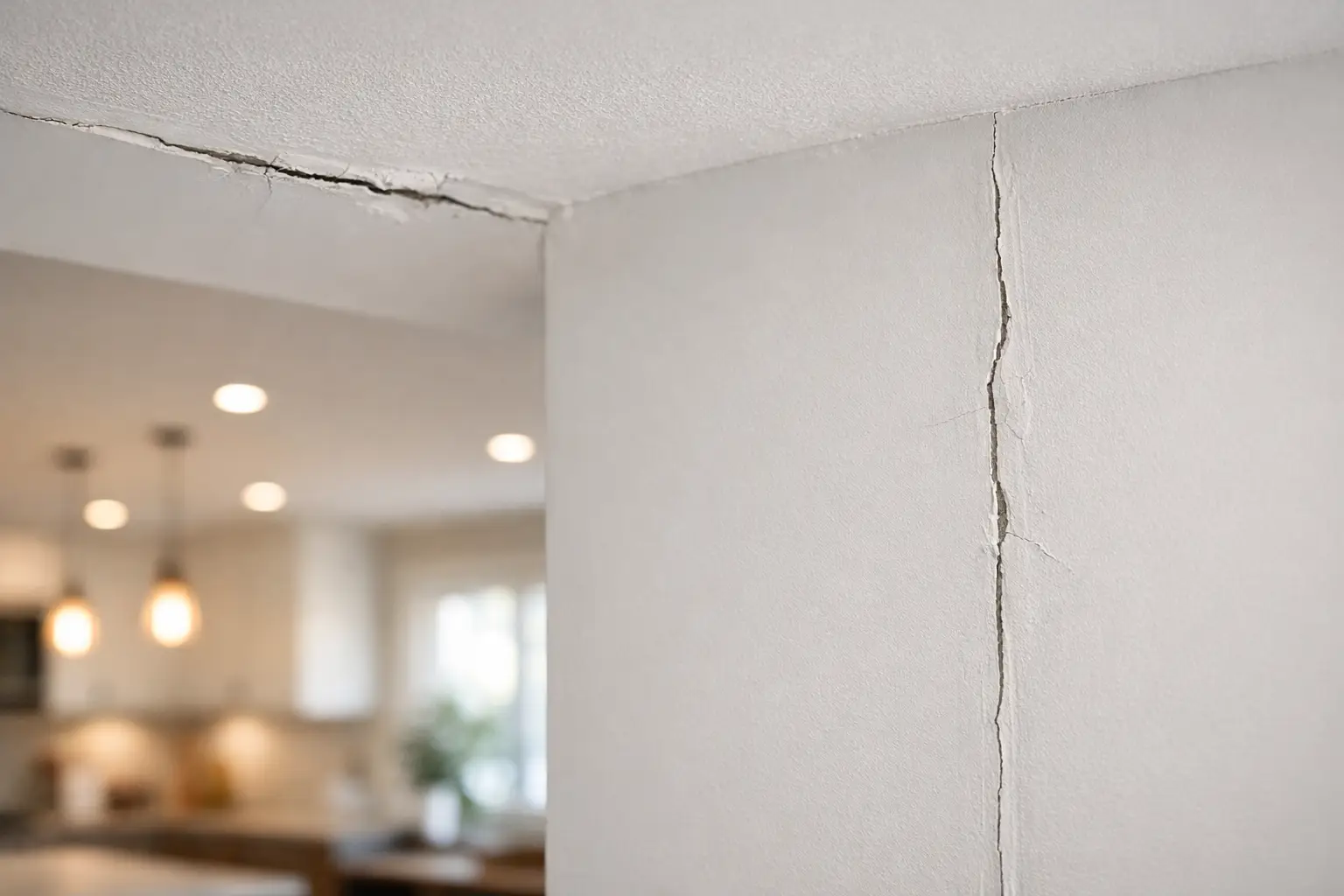
Cracks can also form along a seam, though their appearance matters. A fine, straight crack directly over a drywall joint often points to movement at the joint or a loss of bond in the compound. A crack that branches, widens, or continues beyond the seam deserves closer attention. Take a photo and compare it after a few weeks, particularly if the crack seems to be growing.
Corners need a separate look. Inside corners are normally taped and finished, so a hairline crack where two walls meet can be a seam-related issue. Outside corners usually have corner bead beneath the compound. A damaged outside corner may look more like a chipped edge, dent, or vertical crack rather than a flat seam line.
Why drywall seams become visible
Drywall seams can show up for several reasons, and the right repair depends on the cause. In homes across Grey Bruce, seasonal changes in temperature and indoor humidity can contribute to small amounts of movement. A minor hairline crack may appear during a dry winter, then become less noticeable at another time of year. That does not automatically mean a major repair is needed, but repeated cracking should not be ignored.
Poor adhesion is another common cause. If tape was applied with too little compound beneath it, if the compound dried too quickly, or if the surface was dusty when the work was done, sections of tape can eventually loosen. Once tape lifts, simply painting over it will not make the problem disappear. The loose material needs to be removed or properly secured, then retaped and refinished.
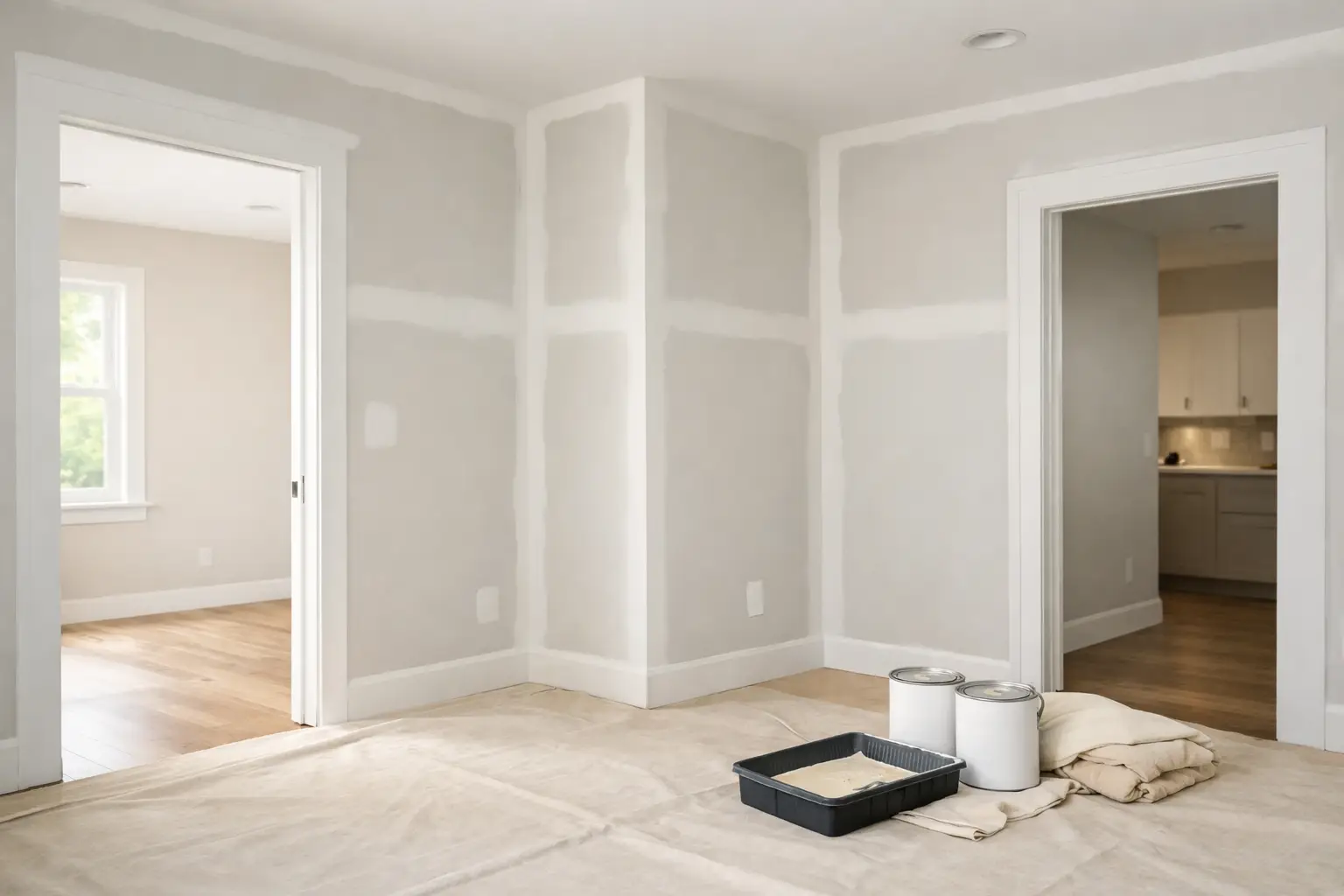
Some seam problems are more about appearance than failure. Drywall finishing requires wide, gradual coats of compound over each joint. If the transition from the joint to the face of the drywall is too abrupt, the seam can become visible under certain lighting even though the tape itself is firmly bonded. This is often most noticeable after a room is painted in a darker colour, a satin finish, or a finish with strong side lighting.
Ceilings can be more demanding than walls because light often travels across them at a low angle. A ceiling seam that looked acceptable before painting may become obvious once the room has new pot lights, a large window, or a bright fixture. The repair may involve widening and smoothing the finish area rather than treating only the visible line.
Telling a cosmetic issue from a repair that should not wait
A faint ridge that has not changed for years is usually a cosmetic finishing concern. It may be worth addressing during repainting, a renovation, or when other drywall work is already planned. The goal is to improve the flatness of the surface so the wall looks consistent in normal lighting.
Lifted tape, a widening crack, crumbling compound, or repeated separation in the same area calls for a more direct drywall repair. These signs mean the existing finish is no longer doing its job. Covering the area with more paint can make it look better briefly, but the edge or crack will usually return.
Pay closer attention if a seam appears soon after new drywall installation, a basement renovation, or an addition. Early identification gives the installer or drywall contractor a clearer view of the condition before repeated patching or repainting obscures the original issue. It is also helpful to note whether the seam is on a wall, ceiling, bulkhead, doorway opening, or inside corner, since each location can behave differently.
A practical way to inspect your walls and ceilings
Start by walking through the room at different times of day. Look at walls with daylight coming in from the side, then turn on the room lights and inspect from several angles. Seams are easier to spot when the light grazes across the surface rather than shining directly at it.
Check areas that are naturally easier to miss: above door openings, around stairways, along bulkheads, in hallways, and where ceilings meet exterior walls. In garages and unfinished or lightly finished basement spaces, drywall seams may be more visible simply because the finish level is different. A visible joint in a utility area is not always a defect, while the same joint in a finished living room may need further work for a paint-ready result.
Use a small piece of painter's tape or make a simple note to mark any area you want to monitor. Photograph the seam from the same distance and angle. If the crack opens, the tape lifts further, or the line becomes more pronounced, you will have a useful record of the change instead of relying on memory.
Avoid scraping, cutting, or pulling on loose tape to investigate it. Drywall paper can tear easily, and a small area can become a larger repair if the surrounding finish is damaged. A visual check is usually enough to decide whether professional assessment is worthwhile.
What a proper seam repair usually involves
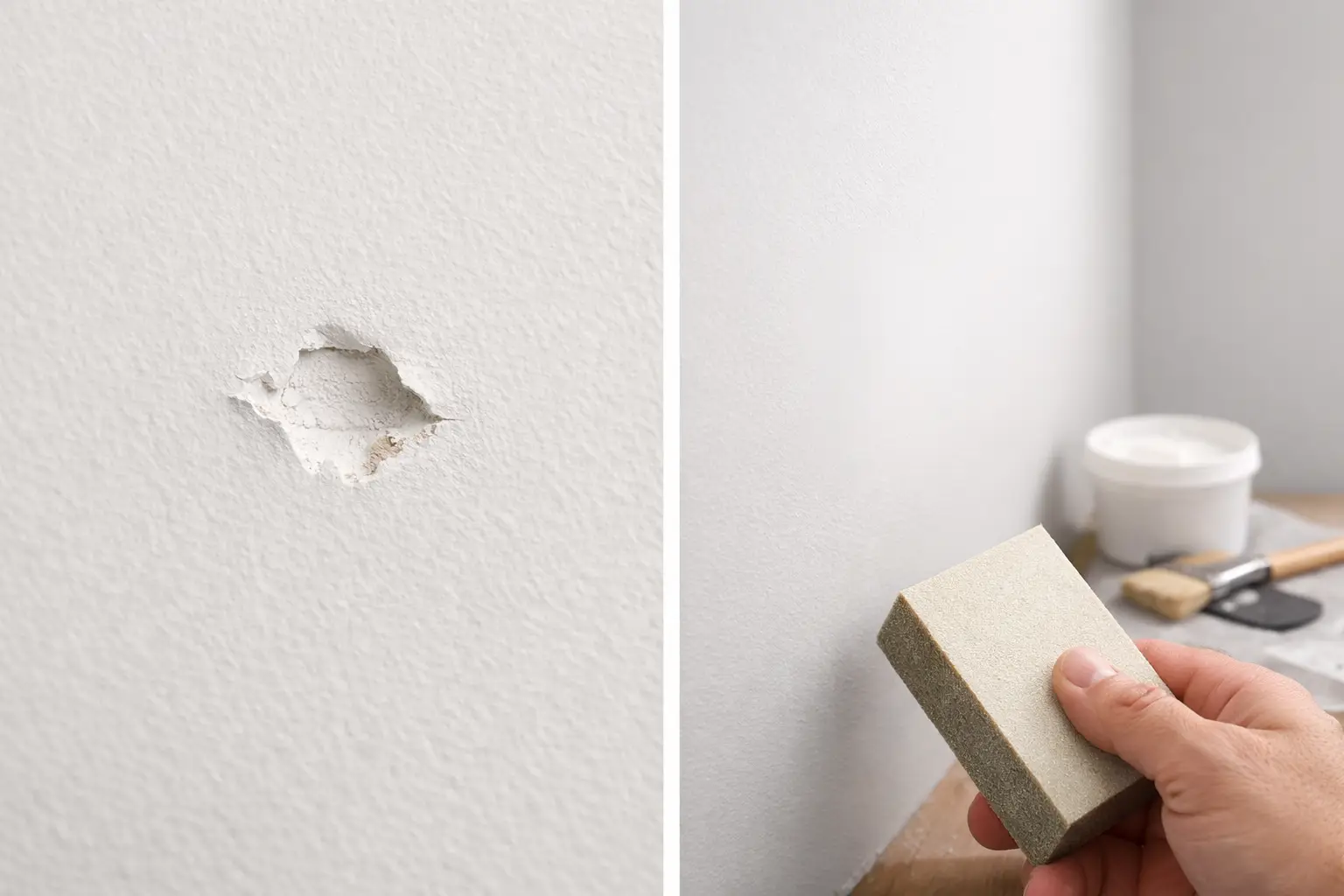
A lasting repair begins with removing material that is loose, cracked, or no longer bonded. The joint is then prepared, taped as needed, and built back up with drywall compound in thin coats. Each coat must dry before the next stage, and the finished area is sanded to blend gradually into the surrounding surface.
The final step is more than making the crack disappear. Good drywall finishing accounts for the width of the repair, the wall's lighting, and the texture or paint finish planned for the room. A repair that is too narrow may be sound but still show as a raised patch after painting.
For homeowners, landlords, and renovators in Owen Sound and surrounding Grey Bruce communities, it often makes sense to have several small seam concerns assessed at once. Addressing visible seams, corner cracks, old patches, and ceiling imperfections during one finishing visit can leave the room in better shape for painting.
A seam issue is easiest to manage when it is still a line, a small ridge, or a lifting edge. Take a close look in angled light, keep an eye on changes, and arrange a drywall repair before a fresh coat of paint turns a minor flaw into the first thing people notice in the room.