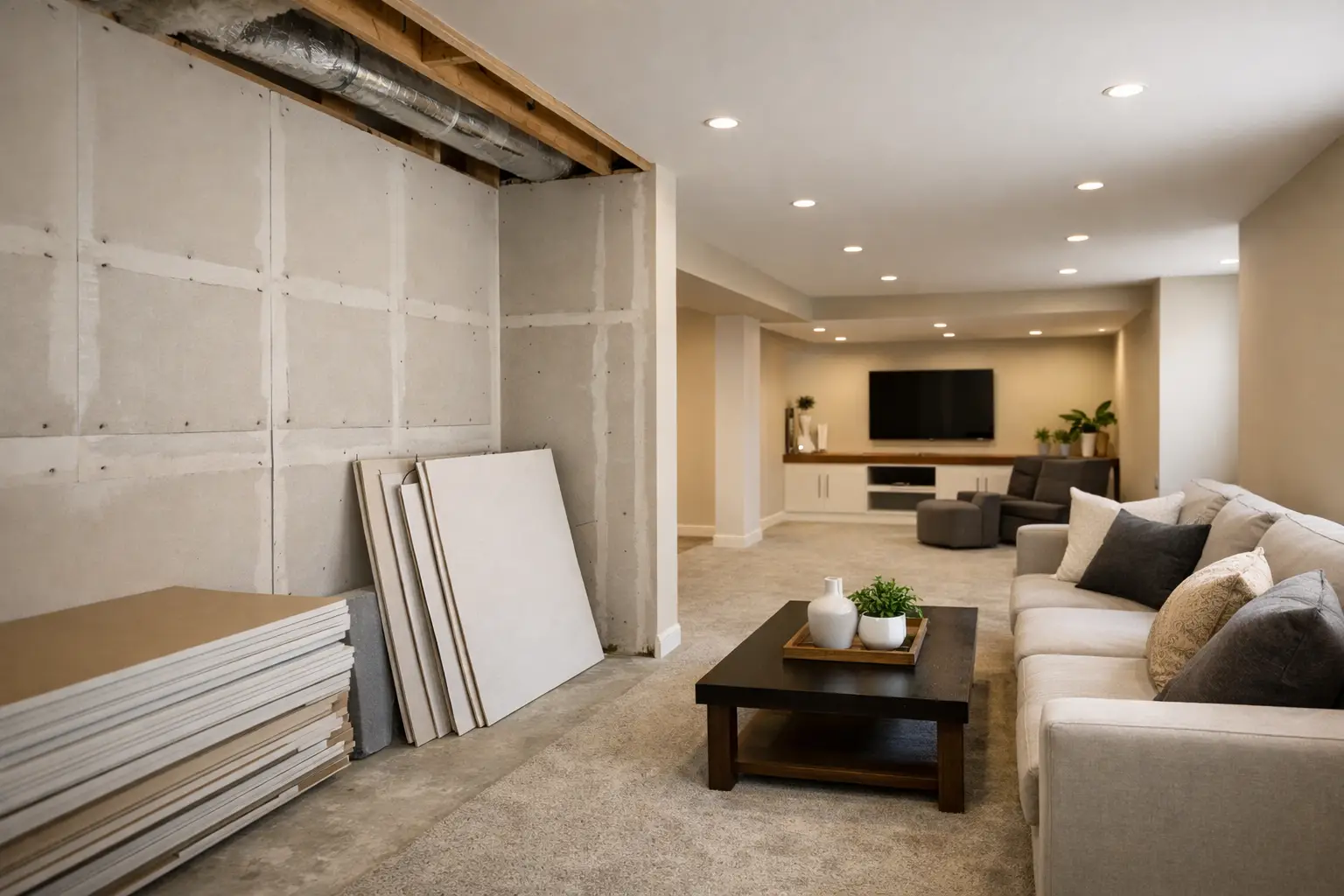
A finished basement can feel like a whole new floor of the house, but the wallboard choice has more riding on it than appearance. Below-grade spaces are often cooler and more prone to humidity changes than the main floor. That is why the best drywall options for basements start with the condition of the space, not simply the lowest-cost sheet at the lumber yard.
For most dry, properly prepared basements in Owen Sound and Grey Bruce, moisture-resistant gypsum board is the practical choice for finished walls. It gives you the familiar painted-wall look while offering better resistance to everyday basement humidity than standard drywall. That said, no drywall product is a cure for an ongoing moisture issue. The framing, insulation, vapour control approach, and overall condition of the foundation wall all need attention before the board goes up.
What makes basement drywall different?
A basement wall is not the same as an upstairs bedroom wall. It sits against or near concrete, experiences cooler surface temperatures, and may be affected by seasonal humidity. In Ontario, that difference is especially noticeable from a damp spring through a humid summer, then into the heating season.
Drywall itself is only one layer of the wall assembly. If it is installed over framing that has not been planned for basement conditions, even a higher-grade board will not solve the underlying problem. A drywall contractor should be working with walls that are dry, straight, properly insulated, and ready for finishing.
This is also why finishing a basement is not the place to rush the boarding stage. Once joints are taped, coated, sanded, primed, and painted, correcting a wall cavity problem becomes far more disruptive.
Best drywall options for basements
Moisture-resistant drywall for most finished spaces
Moisture-resistant drywall, sometimes recognized by its green or purple facing, is often the best all-around option for a finished basement rec room, bedroom, office, hallway, or laundry area that is dry and properly prepared. The treated core and facing are designed to handle humidity better than regular drywall.
It installs and finishes much like conventional drywall, which makes it a sensible choice when you want smooth, paint-ready walls and ceilings. It is not waterproof, though. If moisture is actively entering the space, the correct next step is to address that condition before drywall installation, rather than trying to cover it with a more expensive board.
For many homeowners, using moisture-resistant board on basement exterior walls and standard drywall on interior partition walls can be a reasonable approach. In a consistently humid basement, using moisture-resistant board throughout can offer added peace of mind, although it may add to material cost.
Standard drywall for dry interior partitions and ceilings
Standard gypsum board still has a place in basement projects. It is commonly used on interior walls, bulkheads, and ceilings where the space is dry and the wall assembly has been properly planned. It is economical, widely available, and produces a clean finished surface when installed and finished well.
The key word is dry. Standard drywall is not usually the first choice directly beside cooler below-grade walls where humidity and temperature differences are a concern. It can be perfectly suitable for a basement ceiling or a new interior room division, but it should not be selected just because it is the least expensive option.
Ceilings also deserve a quick look before boarding. Mechanical runs, bulkheads, access points, and the condition of joists can all affect sheet layout and the final appearance. Good planning helps avoid unnecessary joints and awkward patches later.
Cement board in tiled wet areas
Cement board is not a replacement for drywall throughout a basement. It is a specialty backer board used where tile will be installed, such as a shower surround or certain bathroom wall areas. It is heavier, harder to cut, and does not finish like drywall, so it is not intended for a painted family-room wall.
A basement bathroom may use more than one wallboard type. Cement board can be used in the tiled wet area, while moisture-resistant drywall is used on nearby painted walls and on the ceiling where appropriate. Using each material where it performs best creates a cleaner, more practical finish.
Fire-rated drywall where the project calls for it
Type X drywall is designed to provide increased fire resistance compared with regular board. It may be required in specific locations depending on the building layout, the use of the space, and applicable code requirements. Garage-adjacent walls, utility areas, and some suite-related projects can have different requirements than a simple basement rec room.
This board is denser and heavier, and installation details matter. Sheet thickness, fastening, joints, penetrations, and the full wall or ceiling assembly can all affect performance. Where fire-rated board is needed, it should be selected as part of a planned assembly rather than added as an afterthought.
Choose the board after the wall assembly is ready
The drywall decision should come after the basement walls have been prepared, not before. Framing should be straight and secure, with enough backing at corners, openings, soffits, and drywall edges. A solid framing job gives the board proper support and reduces the chance of visible movement at joints.
Insulation and vapour control also need to suit the basement wall design. Different foundation types and renovation methods can call for different approaches, so it is worth confirming the plan before closing the walls. The goal is to avoid trapping moisture within the assembly while still creating a comfortable finished room.
Keep drywall off a concrete floor. A small gap at the bottom helps prevent the sheet from drawing in minor moisture from the slab and leaves room for flooring and baseboard details. The gap will normally be covered once the room is finished.
Thickness and finish level matter too
For most basement walls, 1/2-inch drywall is a common choice. It is practical to handle and works well for typical wood or steel framing. Ceilings may call for a different thickness or spacing plan depending on framing and the look you want to achieve. Sagging ceilings are frustrating to correct after finishing, so this is worth getting right at installation.
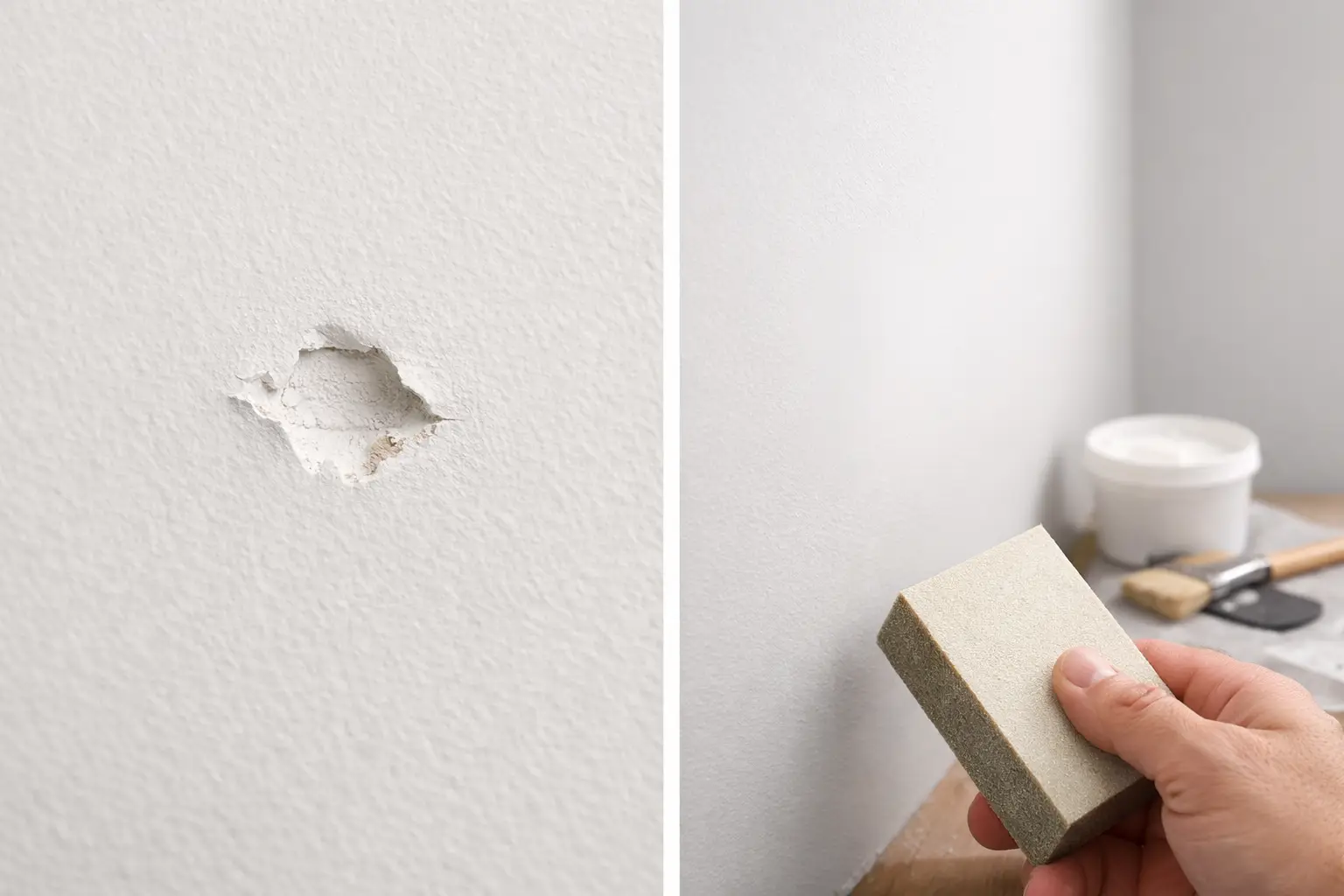
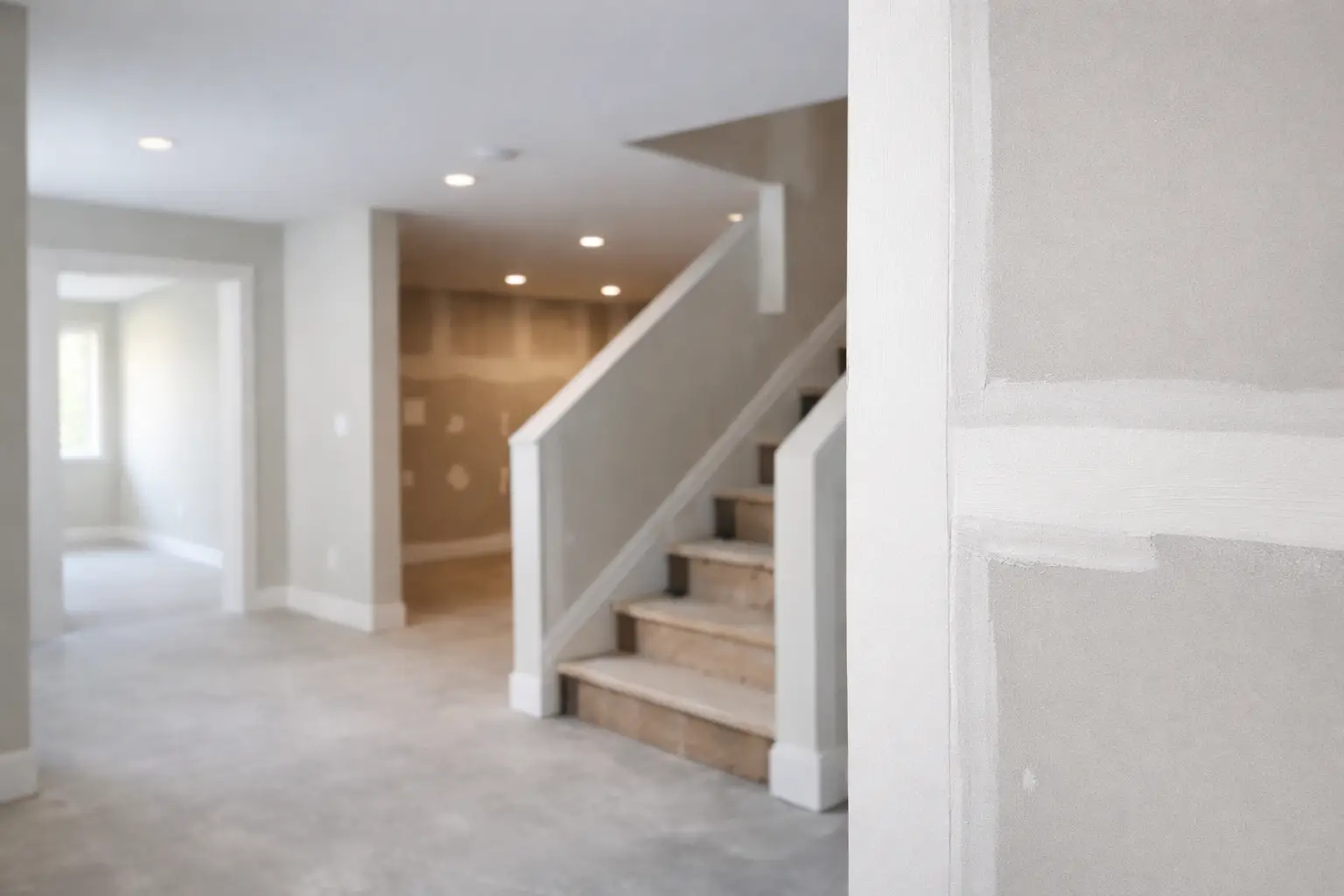
The finish level matters just as much as the board. A basement with pot lights, large windows, or dark paint can reveal every uneven seam when light hits across the wall. Proper taping, multiple coats of compound, careful sanding, and a good primer create the paint-ready finish people expect in a renovated space.
A smooth finish is especially valuable around stairwells, open-concept rec rooms, and basement offices where the walls are always in view. It also makes later repainting and minor repairs easier.
Common basement drywall mistakes to avoid
One common mistake is using regular drywall everywhere without considering the exterior basement walls. Another is choosing moisture-resistant board but installing it before the space is ready. Neither choice addresses the full wall assembly.
Rushing joint finishing can also affect the final result. Basement lighting often exposes ridges, fastener spots, and poorly feathered joints. A wall can be technically covered in drywall yet still look unfinished once paint is applied.
It is also wise to plan for access where it is needed before the drywall goes on. Access panels, removable ceiling sections, and cleanly framed openings are much easier to manage during the build than after a finished ceiling has been painted.
A practical choice for Grey Bruce basements
For a typical dry basement renovation, moisture-resistant drywall on below-grade exterior walls is usually the strongest starting point, with standard drywall used where conditions allow. Cement board belongs in tiled wet areas, while fire-rated drywall should be used where the project requires it.
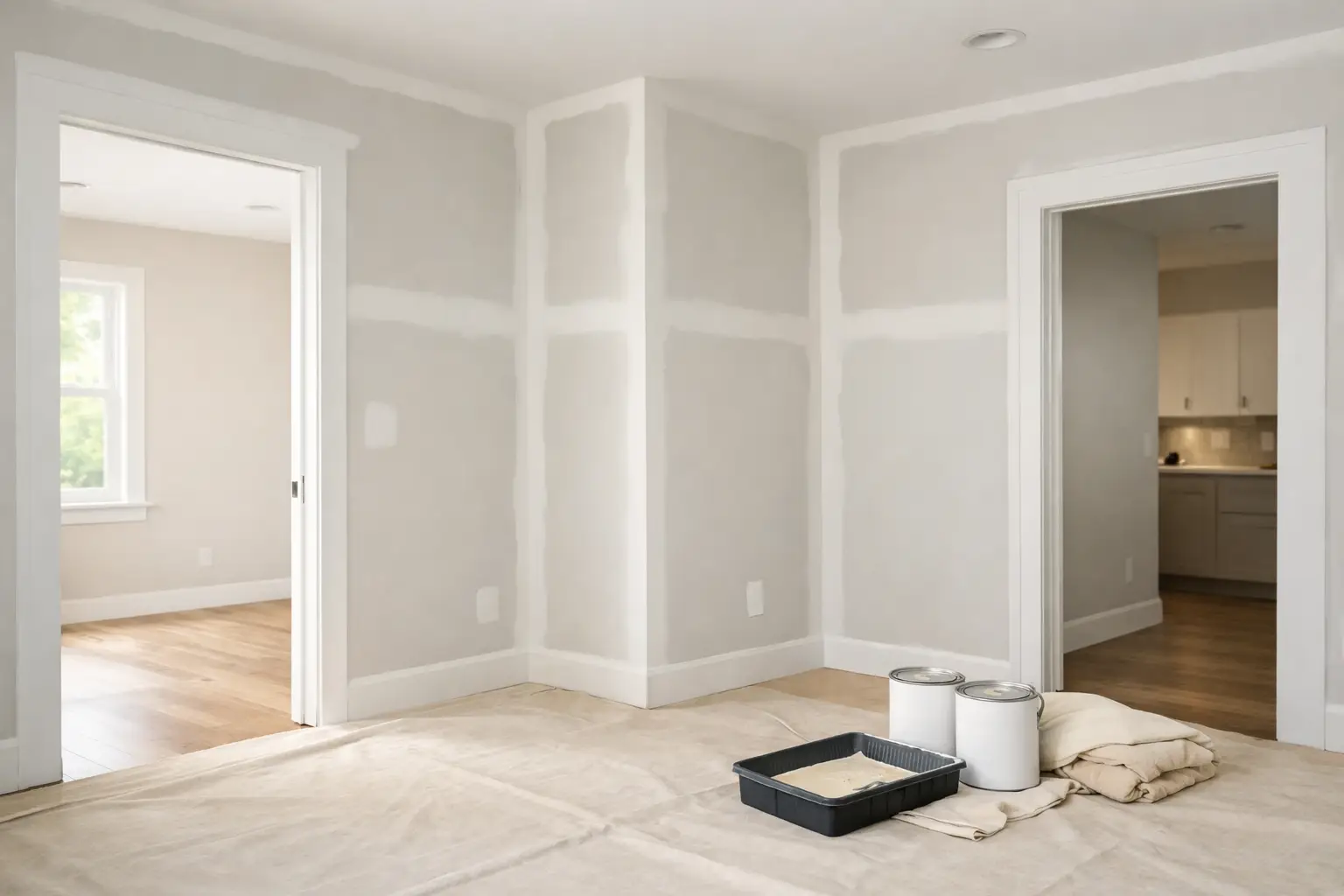
The best result comes from matching the board to the room, preparing the wall assembly properly, and giving the taping and finishing work the same attention as the installation. Meg's Drywall helps homeowners, renovators, and builders across Owen Sound and Grey Bruce turn prepared basement spaces into clean, durable, paint-ready rooms. A clear plan before the first sheet is hung will make the finished basement easier to enjoy for years to come.