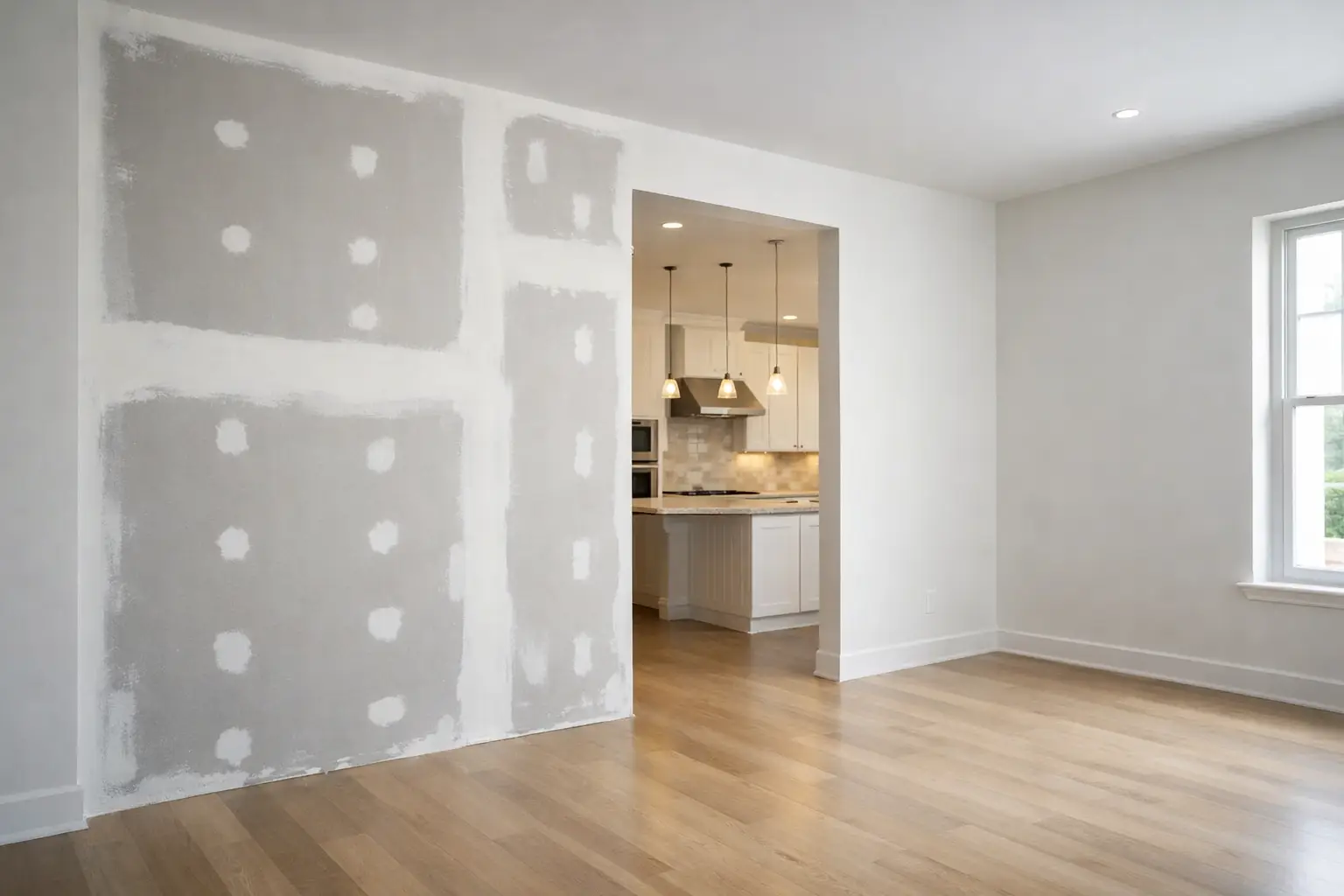
A drywall job can look straightforward until the paint goes on. A visible seam, uneven ceiling, poorly blended patch, or rough corner often comes down to details that were never discussed at the start. Asking the best questions for drywall contractors helps homeowners, builders, and property managers understand what work is being proposed and what the finished space should look like.
For renovations, repairs, basements, additions, garages, and new construction, the goal is not simply to have drywall on the wall. The goal is a clean, paint-ready finish that fits the condition of the space, the surrounding work, and the project schedule.
Why the right questions matter before drywall work starts
A clear conversation prevents assumptions. Drywall installation and finishing involve several separate stages: boarding, taping, mudding, sanding, corner work, repairs, and final touch-ups. A contractor may be handling all of those stages, or only part of them. Knowing where their scope starts and ends makes it easier to coordinate painters, flooring installers, builders, and other trades.
The lowest-looking estimate is not always the most useful comparison if one quote includes careful patch blending, multiple coats of compound, and cleanup while another only covers basic installation. Good questions give you a fair way to compare the actual work, not just the bottom number.
12 best questions for drywall contractors
1. What work is included in the scope?
Start with the basics. Ask whether the work includes drywall installation, taping, mudding, sanding, corner beads, patching, ceiling work, and final touch-ups. If insulation, vapour barrier, framing corrections, painting, or trim removal are relevant to the area, clarify who is responsible for each item.
This matters most on renovation projects, where existing walls can create extra preparation work that is not obvious during an initial conversation.
2. What condition are the existing walls or framing in?
A drywall contractor should be able to point out concerns that affect the finish, such as uneven framing, damaged backing, loose existing drywall, old patches, or ceiling transitions. Drywall compound can improve small surface inconsistencies, but it cannot correct every issue underneath the board.
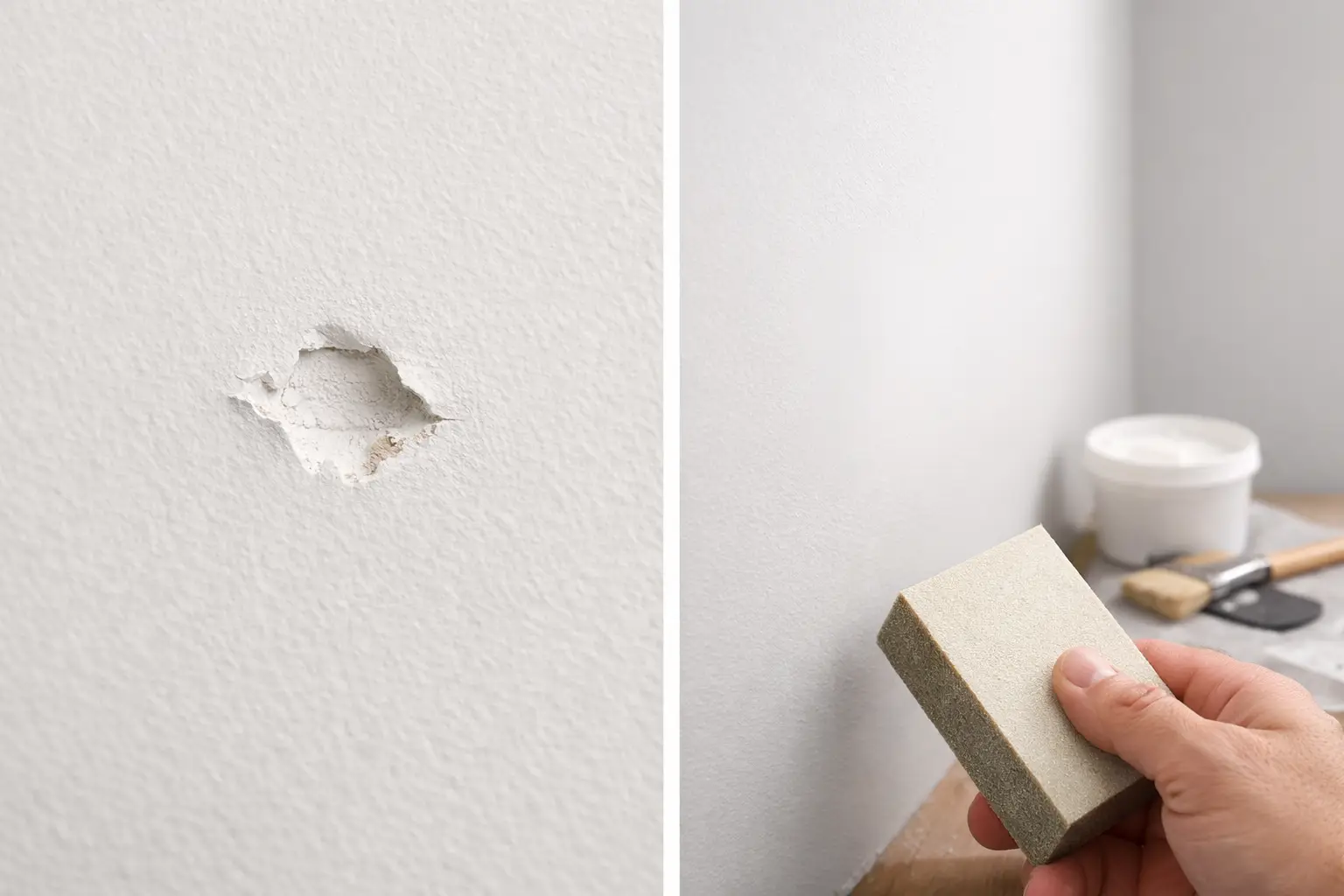
For repair work, ask whether the damaged area needs a small patch, a larger cut-out and replacement section, or work that extends beyond the obvious mark. The right repair depends on the size, location, and condition of the surrounding drywall.
3. What level of finish is appropriate for this room?
Not every room needs the same finish. A utility room or garage may have different expectations than a bright living room, stairwell, kitchen, or ceiling with large windows. Smooth painted walls, darker paint colours, flat ceilings, and angled natural light can make minor imperfections easier to see.
Ask what finish the contractor recommends for the planned paint and lighting. This creates a useful conversation about realistic expectations before the work begins, rather than after the painter is ready to start.
4. How will you handle ceilings, corners, and transitions?
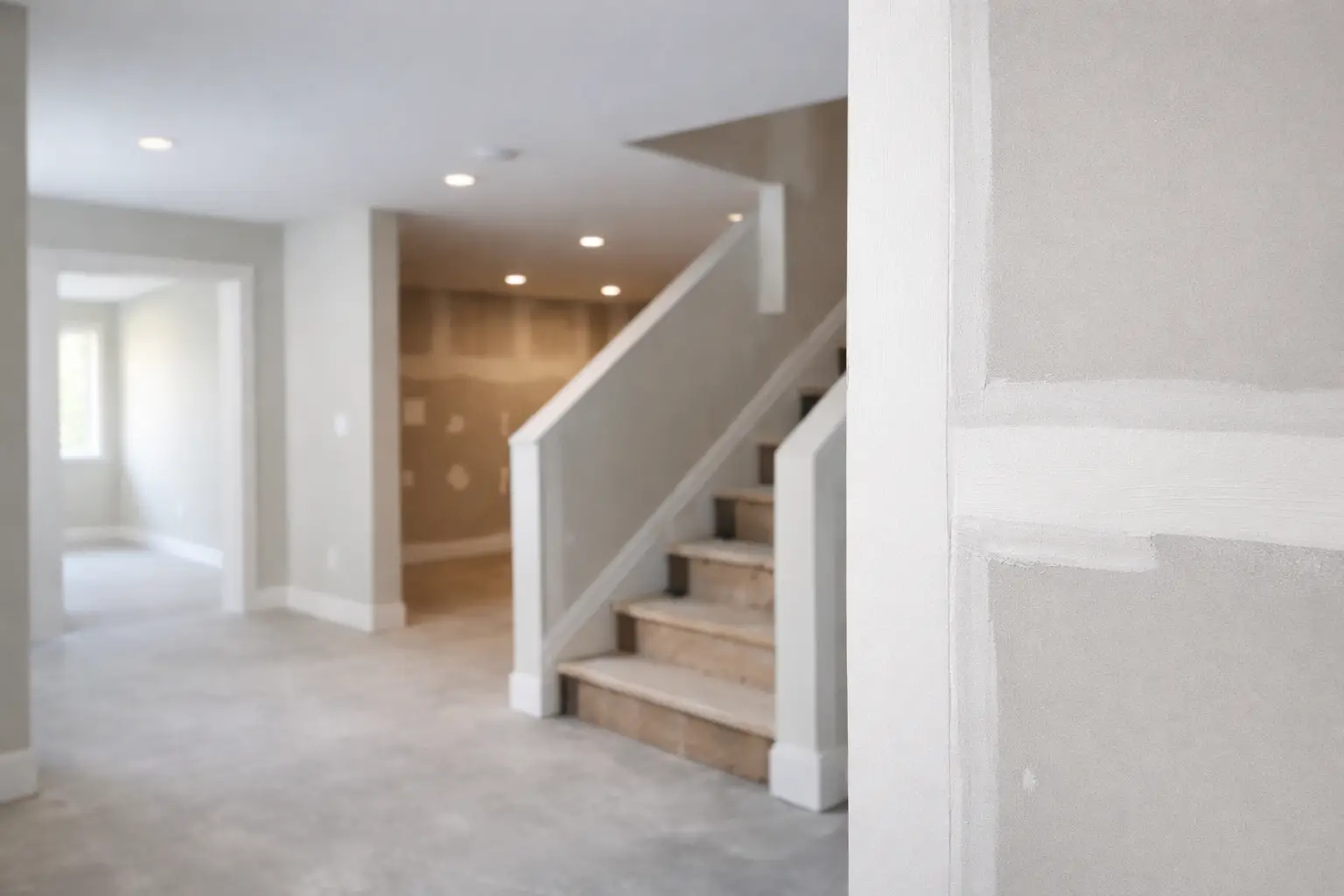
Ceilings are often where drywall finishing is judged most closely. Ask how ceiling joints, inside corners, outside corners, bulkheads, soffits, stair openings, and wall-to-ceiling transitions will be treated. These details can take more time than a simple flat wall.
In older homes around Owen Sound and Grey Bruce, it is common for walls and ceilings to be less uniform than in a new build. A practical approach may involve adjustments to produce a clean visual result rather than pretending every existing surface is perfectly straight.
5. What preparation is needed before installation or repair?
Preparation affects both the quality and pace of the job. Ask whether the room needs to be cleared, whether furniture should be moved away from the work area, and whether existing trim, fixtures, or wall coverings need to be removed beforehand.
For a basement, garage, addition, or new construction project, confirm that the area is ready for drywall. Open walls should have the required backing in place, and the space should be reasonably dry and accessible. A contractor can then focus on drywall work instead of losing time to avoidable site issues.
6. If this is a repair, what caused the damage?
A patch can restore the appearance of a wall, but it is worth discussing the source of the damage first. A door handle impact, moving damage, nail pops, a settling crack, or a previous poor repair may each call for a different approach.
Ask whether the area appears stable and whether any preparation is needed to keep the repair from showing again. The contractor should stay focused on the drywall condition while giving you a clear explanation of what can reasonably be addressed in the repair.
7. What materials and corner products will be used?
You do not need to know every product name, but it is reasonable to ask what type of drywall, joint compound, tape, and corner bead is planned. Material choices can differ for standard walls, ceilings, high-traffic corners, moisture-prone rooms, and areas where matching existing drywall thickness is necessary.
The best choice depends on the job. A small patch may require different materials and drying times than a full basement drywall installation. Asking the question helps you understand the process without getting buried in trade jargon.
8. What is the expected schedule, including drying time?
Drywall finishing takes more than one visit on many projects because compound needs time to dry between coats. Temperature, humidity, ventilation, the size of the work area, and the amount of repair or finishing required can all affect timing.
Ask when boarding can begin, how many finishing stages are expected, when sanding will occur, and when the area should be ready for primer or paint. A clear schedule also helps coordinate other work without rushing the finishing process.
9. How will dust and work-area cleanup be managed?
Sanding creates fine dust, particularly during repairs in occupied homes. Ask how floors, nearby furniture, doorways, and adjacent rooms will be protected. Discuss whether the space needs to be isolated and what cleanup is included at the end of the work.
There is always some disruption with drywall sanding, but a professional plan should keep it contained as much as practical. This is especially useful for rental units, small commercial spaces, and homes where only one room is being renovated.
10. What does the estimate include and exclude?
A written estimate should describe the proposed drywall work in plain language. Ask whether it covers materials, delivery, installation, taping, mudding, sanding, patching, access challenges, protection, and cleanup. It should also identify work that is outside the drywall scope.
This question is not about demanding a fixed price before the conditions are known. It is about making sure you understand the assumptions behind the estimate. If hidden damage or extra repairs are found after work begins, ask how changes will be discussed before additional work proceeds.
11. What could change the timeline or scope once work starts?
Every project has variables. On a renovation, opening a wall may reveal irregular framing or a larger damaged area. On a new build, the drywall schedule can shift if the space is not ready or other work is still underway.
A dependable contractor will not claim that surprises never happen. Instead, they should explain the likely variables and how they communicate if the original plan needs to change. That approach is more useful than vague promises.
12. How will final touch-ups and the walkthrough be handled?
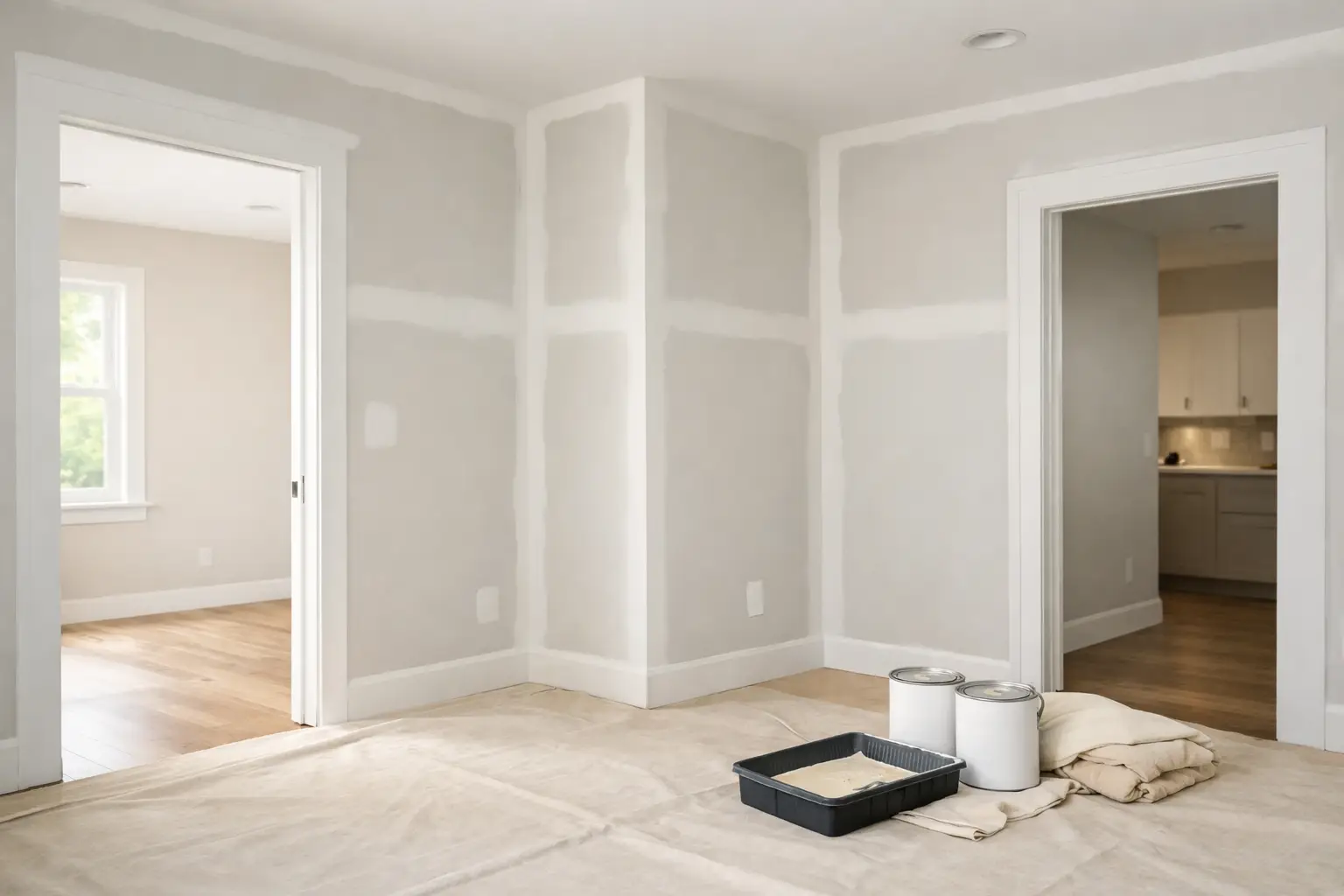
Before the job is considered complete, ask how the finished work will be reviewed. A final walkthrough gives you an opportunity to look at patches, corners, ceiling joints, and transitions in normal room lighting before painting begins.
It also helps to ask when the work can be primed or painted. Primer often makes minor surface details easier to see, so coordinating the drywall finish and painting stages can prevent unnecessary back-and-forth later.
Bring photos and project details to the first conversation
The best contractor conversation starts with useful information. Photos of the room, approximate measurements, the purpose of the space, the planned paint finish, and your target schedule can all help a drywall contractor assess the job more accurately. For repairs, include a close photo of the damage and a wider photo showing its location in the room.
If you are comparing contractors, ask each one the same core questions. That makes it easier to see whether you are receiving comparable scopes of work. It also shows who is listening to the details of your home or project rather than offering a one-size-fits-all answer.
For homeowners and builders in Owen Sound, Grey County, and Bruce County, the right drywall contractor should make the process easier to understand. Clear questions at the beginning lead to clearer expectations, better coordination, and a finish that is ready for the next stage of the project.