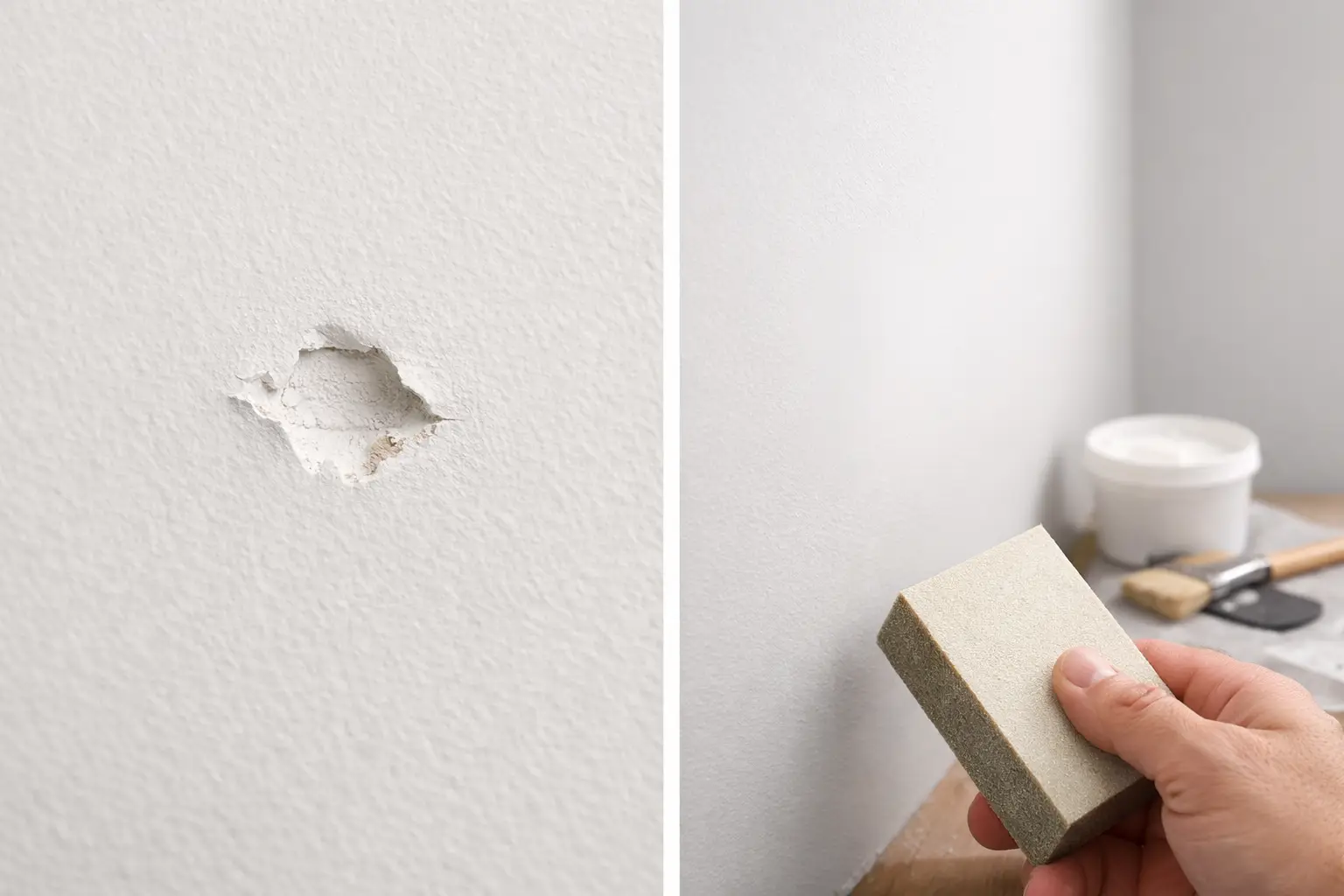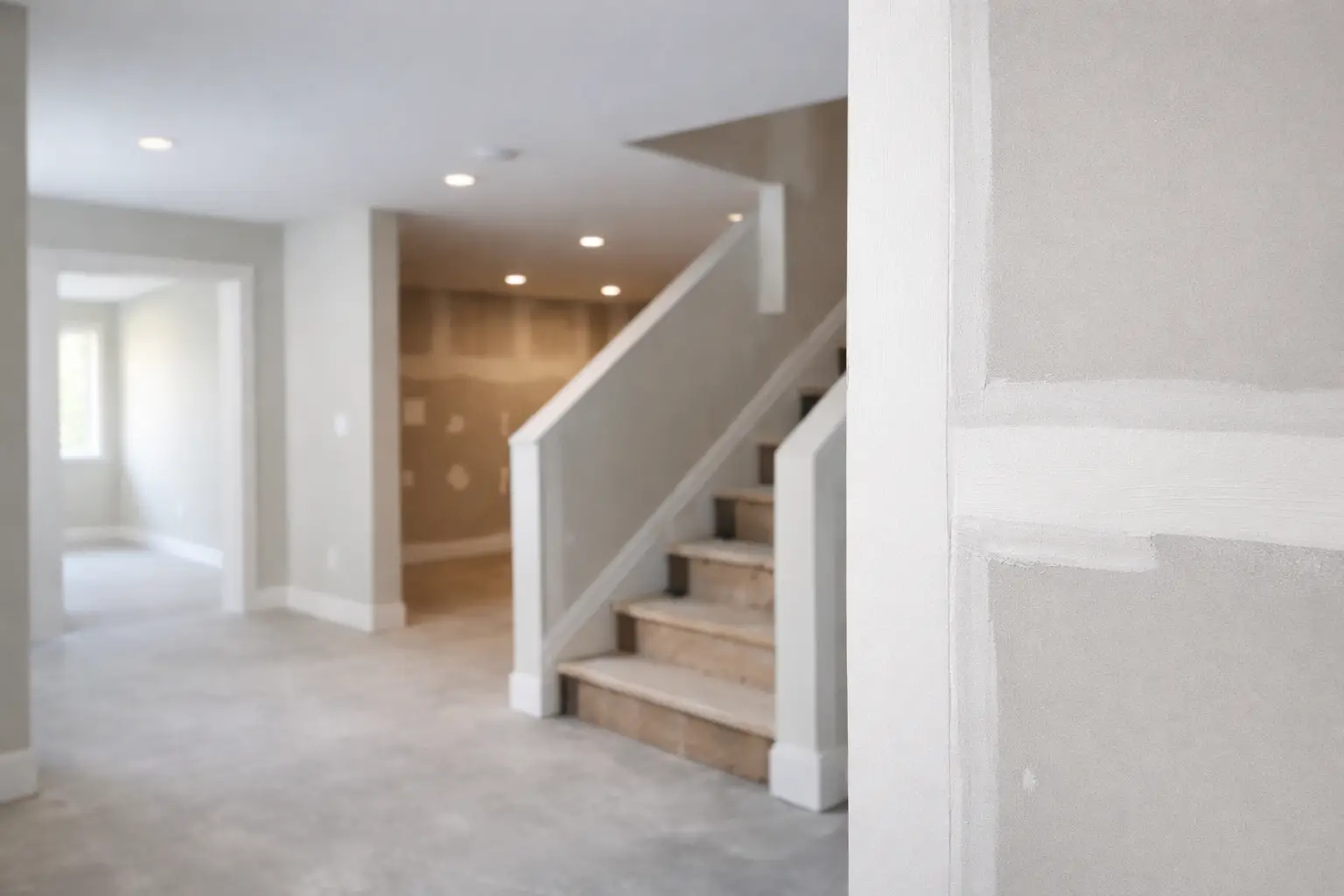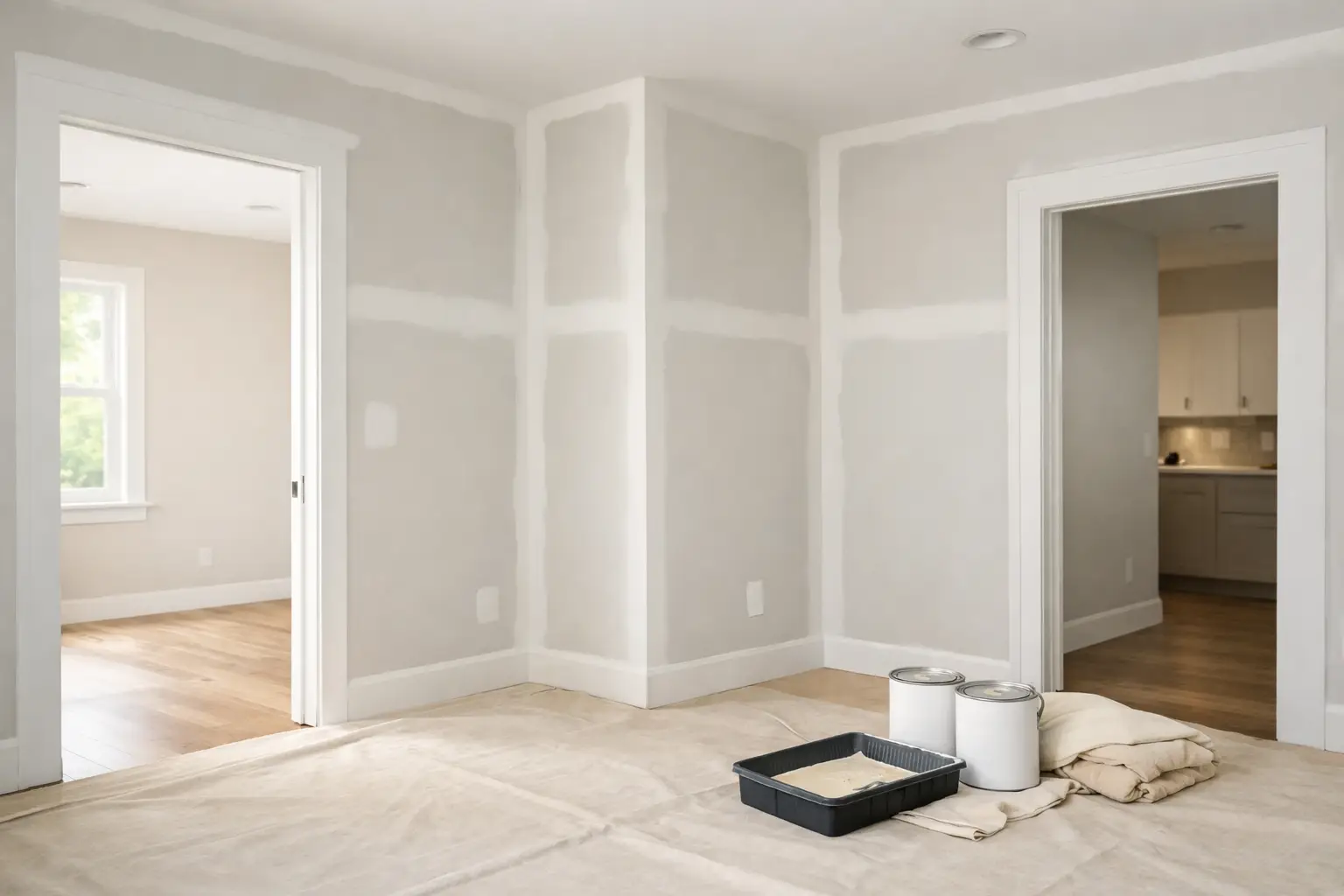
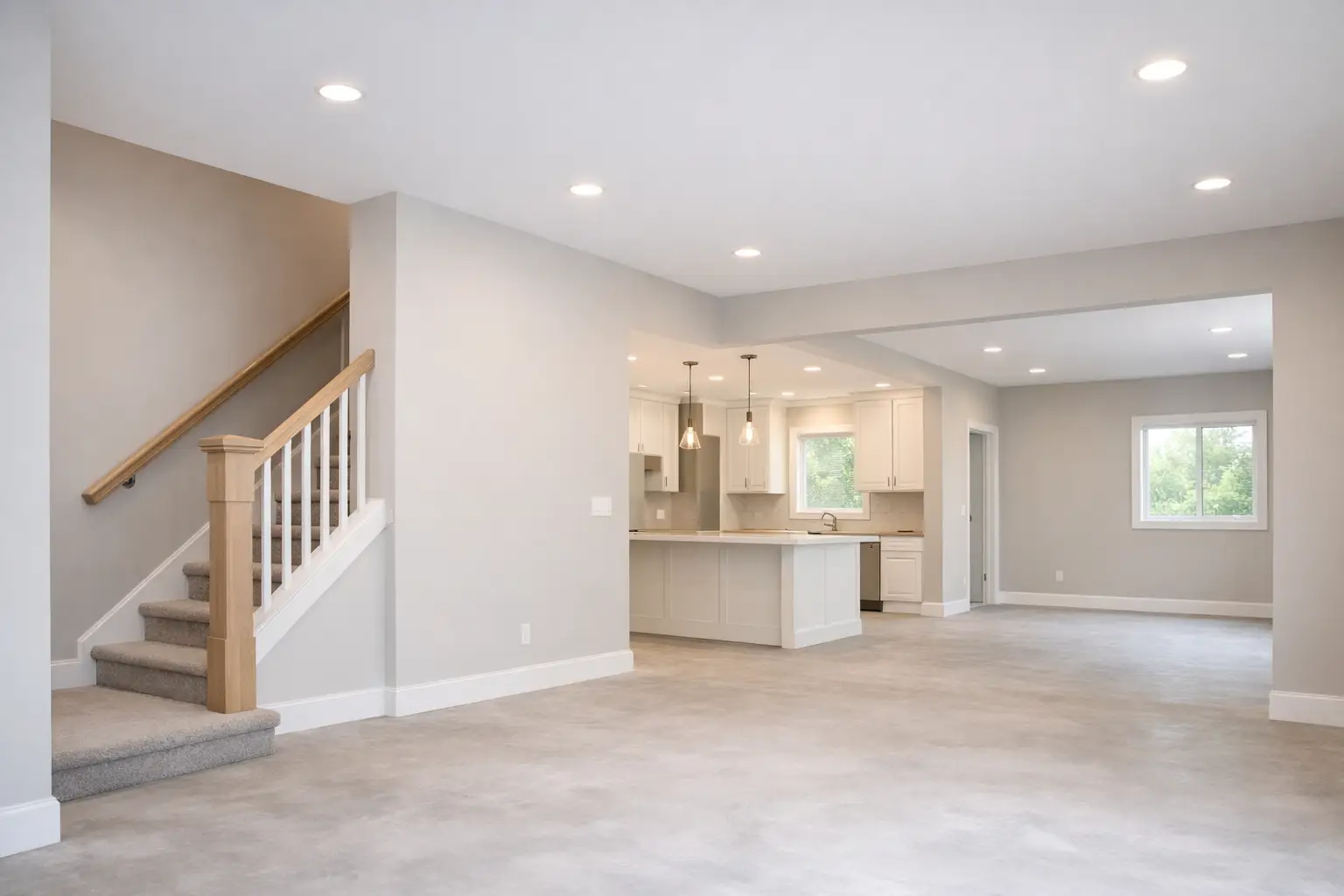
A new home can look nearly complete once the framing is up, but drywall is the stage where every room starts to feel like a finished space. For new construction drywall Grey County projects, good results depend on more than hanging sheets. The framing needs to be ready, the work needs to be timed properly with other trades, and the finish needs to suit the light, paint colours, and use of each room.
For homeowners building a custom home, and for builders managing several moving parts, drywall is often treated as a quick step between rough construction and paint. It is not. Careful installation and finishing help walls and ceilings look straight, clean, and consistent for years after move-in.
What New Construction Drywall Includes
New construction drywall generally starts after the framing, mechanical rough-ins, and required inspections are complete. The work includes installing drywall on interior walls and ceilings, then taping joints, applying compound, sanding, and preparing surfaces for primer and paint.
The goal is a continuous finished surface. That means attention to board placement, fastener placement, outside corners, joints around windows and doors, ceiling transitions, and areas where different materials meet. A wall can be structurally sound and still show flaws after painting if these details are rushed.
Drywall work may also include bulkheads, tray ceilings, soffits, closets, garage walls, basement areas, and utility rooms. Each space has its own considerations. A high-traffic hallway needs durable outside corners, while a garage or utility area may have specific fire-separation requirements identified in the building plans. The drywall contractor works from the project requirements and coordinates with the builder when a detail needs clarification.
Timing Matters on a New Build
Drywall should begin when the building is enclosed and reasonably dry, the framing is complete, and the wall and ceiling cavities are ready. Starting too early can lead to avoidable delays or damage from ongoing work. Starting too late can put pressure on every trade that follows.
In Grey County and Bruce County, seasonal conditions can affect scheduling. New homes need stable interior conditions for compound to dry properly and for finishing work to proceed predictably. Cold, damp conditions can slow drying, especially where heat is not yet consistent. That does not mean work cannot move ahead, but it does mean the schedule should allow for the conditions on site rather than treating every project like a summer build.
Coordination is especially useful before drywall begins. Builders should confirm that framing changes are complete, ducts and plumbing are not protruding beyond the framing, electrical boxes are set to the correct depth, and any required backing is in place. Fixing those issues before boards go up is simpler than opening a finished wall later.
A Clean Finish Starts With Proper Installation
Finishing cannot fully hide poor installation. Sheets should be placed thoughtfully to reduce unnecessary joints, and fasteners need to sit correctly without breaking through the paper face. Ceiling boards, long wall runs, stairwells, and areas with many openings all benefit from planning before installation begins.
Straight framing makes the drywall contractor's job easier, but new construction is not always perfectly uniform. Minor variations can be addressed during installation and finishing. Larger irregularities should be identified early so the builder can decide how to handle them before they become visible under paint.
Corners deserve particular attention. Outside corners in entryways, halls, and around openings receive regular contact from people, furniture, and moving boxes. The right corner treatment helps produce a crisp line while standing up better to normal use. Inside corners also need clean, consistent taping so they do not look wavy when sunlight hits the wall from the side.
Why Lighting Changes the Standard
A finish that looks fine under basic work lights can show every small imperfection after the homeowner installs large windows, pot lights, or modern directional fixtures. This is common in open-concept living areas, stairwells, kitchens, and rooms with strong afternoon sun.
Before drywall finishing begins, it helps to discuss where the most critical walls and ceilings will be. A flat ceiling in a bright great room, for example, needs more care than a storage closet. Dark paint colours, satin and semi-gloss finishes, and feature lighting can also make seams or surface variations more noticeable.
This does not mean every surface needs the same level of finishing. It means the finish should match the room and the planned paint system. Clear discussion between the homeowner, builder, painter, and drywall contractor can prevent mismatched expectations at the end of the build.
Plan for Drywall Details Before Closing the Walls
New construction offers an advantage that renovations do not: there is time to think through details while walls are still open. Homeowners may want recessed niches, access panels, reinforced locations for wall-mounted items, sound-control assemblies, or clean transitions around fireplace surrounds and feature walls. These choices need to be planned with the builder and relevant trades before drywall installation.
Ceilings are another area where early decisions matter. Pot lights, ceiling speakers, vents, attic hatches, and decorative beams affect the drywall layout and finishing sequence. Once a ceiling has been taped, mudded, sanded, and painted, changes become more disruptive and more expensive.
For basements and additions, the same principle applies. Confirm the intended use of the space before the drywall stage. A future family room, office, bedroom, or workshop may require different details than unfinished storage. Planning ahead keeps the project moving and reduces unnecessary patching later.
What Affects the Drywall Schedule
Drywall is a multi-stage process, not a single visit. Installation may move quickly, but taping and finishing require several applications of compound, drying time, sanding, and final touch-ups. The total timeline depends on the home's size, ceiling height, layout, number of corners and openings, site temperature, humidity, and the finish required.
Large open areas can be efficient to board, yet high ceilings and detailed ceiling designs add time. Smaller homes can also be labour-intensive when they contain many rooms, closets, bulkheads, and tight areas. A straightforward bungalow and a custom home with vaulted ceilings should not be scheduled the same way.
Other trades can affect the sequence as well. Flooring installers, cabinet installers, painters, trim carpenters, and HVAC crews all need access at different points. A practical schedule protects freshly finished walls from damage while keeping the job moving toward completion.
Preparing for the Painter
A paint-ready drywall finish gives the painter the proper starting surface, but paint still plays a major role in the final appearance. Primer helps create a consistent base, and the painter's preparation and application method affect how the walls read in changing light.
Before painting starts, walk through the home under good lighting. Look along walls from different angles and check ceilings from doorways and windows. Marking any concerns at this stage is far easier than noticing them after final coats, fixtures, and furniture are in place.
It is also wise to protect completed drywall as the project enters its final stages. Moving appliances, installing cabinets, carrying trim, and completing flooring can all create minor dings or scuffs. Small touch-ups are normal on a new build, but careful site management keeps them to a minimum.
Choosing a Local Drywall Contractor
For a new home, choose a drywall contractor who understands both the installation side and the finishing side of the trade. Ask how the project will be sequenced, what site conditions are needed before work starts, and how final touch-ups will be handled before painting. Clear communication matters just as much as clean taping.
Meg's Drywall works with homeowners, builders, and renovators throughout Owen Sound and the surrounding Grey Bruce area on new construction, additions, basements, garages, repairs, and finishing work. A dedicated drywall contractor can focus on the details that make a new interior feel complete instead of treating drywall as an afterthought.
Before the drywall stage arrives, take time to walk the framed home, confirm the room plans, and flag any special wall or ceiling details. That short conversation while the walls are open can make the finished home look better long after the paint has dried.